
Product Specifications
- Manufacturer
- QUADRIOS
- Part Number
- 1906SA042
- Product Type
- Matrix board / Prototyping board
- Board Size
- 160 x 100 mm
- Board Thickness
- 1.6 mm
- Material
- FR1 hard paper (phenolic paper)
- Copper Thickness
- 35 µm
- Grid Pitch
- 2.54 mm (0.1 inch)
- Hole Diameter
- 1.0 mm
- Hole Layout
- 39 x 64 holes
- Throughplated
- Yes
- Surface Finish
- OSP (organic solderability preservative)
- Number of Sides
- Single sided
Product Description
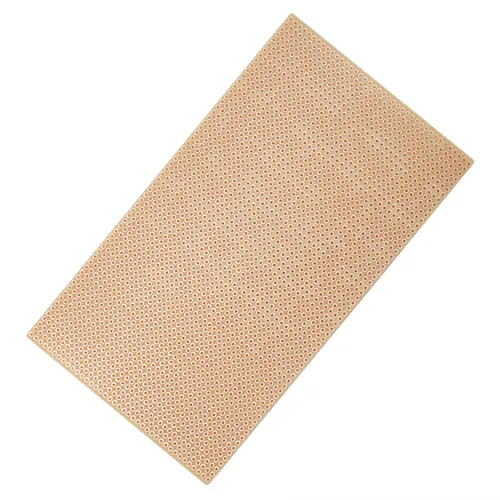
A breadboard is for testing. This is for keeping. The QUADRIOS 1906SA042 is a matrix board — the kind you solder components onto when you are done experimenting and ready to make something permanent.
What It Actually Is
Unlike the white plastic solderless breadboard with its spring-loaded contacts, this is a proper PCB substrate made from FR1 hard paper (phenolic resin bonded cellulose paper) with 35 µm of copper laminated on one side. The copper is pre-drilled into a grid of isolated pads, each with a 1.0 mm hole at its center, spaced exactly 2.54 mm (0.1 inch) apart. That spacing is not arbitrary — it matches the pin pitch of standard DIP ICs, resistors, capacitors, headers, and virtually every through-hole component made in the last 40 years.
FR1 vs. Everything Else
FR1 is the economical cousin of FR4. It is made from phenolic resin and paper rather than fiberglass and epoxy. The trade-offs: lower mechanical strength, poorer moisture resistance, and a lower glass transition temperature. But for hand soldering, DIY projects, and prototypes that will not see extreme heat or humidity, FR1 works perfectly well and costs significantly less. The board measures 160 x 100 mm, roughly the size of a postcard, and is 1.6 mm thick — thick enough to feel rigid, thin enough to cut with a hobby knife if you need a custom shape.
The Copper Layer
The 35 µm copper thickness is standard for this class of board. It is thick enough to survive multiple soldering and desoldering cycles without lifting pads, assuming reasonable care. Each hole is throughplated — meaning the copper lines the inside of the hole and connects the top pad to whatever is on the bottom side, even though the board is only single-sided. This matters because it makes soldering easier: the solder flows through the hole and forms a reliable fillet on both sides. The surface finish is OSP (organic solderability preservative), a thin coating that prevents copper oxidation during storage. It burns away cleanly when soldered, leaving bare copper that takes solder readily.
What You Build On It
The grid is 39 holes wide by 64 holes tall, giving you 2,496 individually isolated soldering points. Each pad is electrically separate from its neighbors, unlike stripboard where entire rows or columns are connected. That means you create your own traces by bridging pads with solder or adding jumper wires. This is a double-edged sword: it gives you complete freedom to route signals exactly where you want them, but it also means more soldering than stripboard. For circuits with many connections, that adds up. But for circuits where isolation matters — analog designs, sensor interfaces, anything sensitive to crosstalk — the fully isolated pads are a genuine advantage.
Where You Will Use It
Typical applications include permanent versions of breadboard prototypes, hobbyist electronics projects, educational soldering practice for students, custom sensor boards, repair work where a damaged PCB needs replacement, small-scale production of simple circuits, workshop jigs and test fixtures, and any situation where a solderless breadboard is too fragile or temporary.
What It Is Not
This is not a solderless breadboard. If you want to test a circuit without soldering, buy a plastic breadboard with 830 tie-points. This is also not a high-frequency board — FR1's dielectric properties are not controlled for RF work, and the lack of a ground plane makes fast digital circuits problematic. For microcontroller projects running at a few megahertz, it is fine. For anything above 20 MHz or so, you want a proper PCB with a ground plane.
The Practical Upside
A board like this costs less than a cup of coffee. For that price, you get a blank canvas for whatever circuit you need to build. Solder components onto it, cut traces with a knife when you make mistakes, add jumper wires to fix routing errors, and end up with a finished board that you can mount in an enclosure and use for years. That is the value of a matrix board: it turns a breadboard experiment into something permanent without the cost and lead time of a custom PCB.
Resources & Documentation
A Board You Solder On, Not Plug Into – QUADRIOS 1906SA042 Matrix Board
Product Specifications
- Manufacturer
- QUADRIOS
- Part Number
- 1906SA042
- Product Type
- Matrix board / Prototyping board
- Board Size
- 160 x 100 mm
- Board Thickness
- 1.6 mm
- Material
- FR1 hard paper (phenolic paper)
- Copper Thickness
- 35 µm
- Grid Pitch
- 2.54 mm (0.1 inch)
- Hole Diameter
- 1.0 mm
- Hole Layout
- 39 x 64 holes
- Throughplated
- Yes
- Surface Finish
- OSP (organic solderability preservative)
- Number of Sides
- Single sided
Resources & Documentation
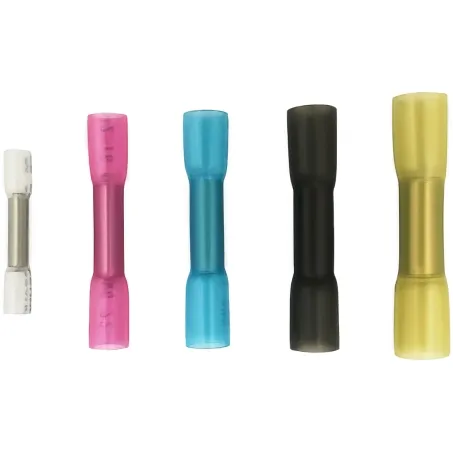
QUADRIOS 23C495
3:1 shrink ratio seals tight
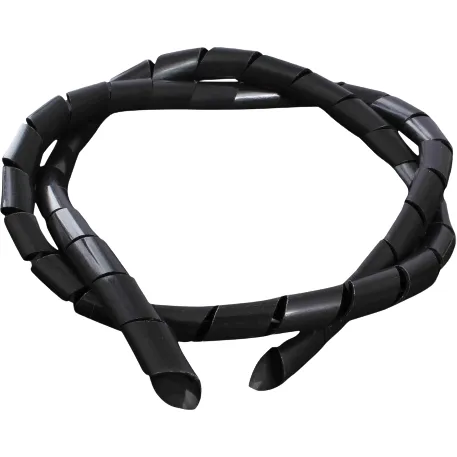
QUADRIOS 2111C145
For larger cable bundles
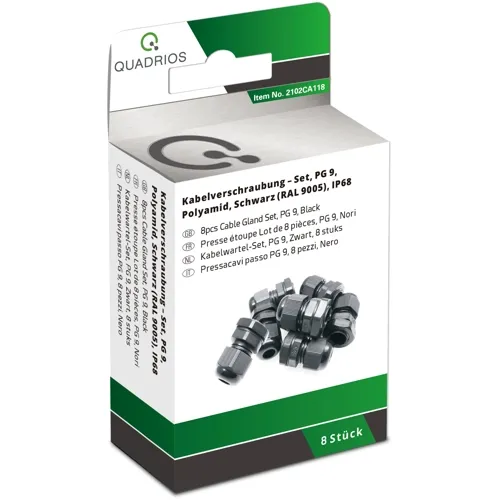
QUADRIOS 2102CA118
Single-size bulk pack
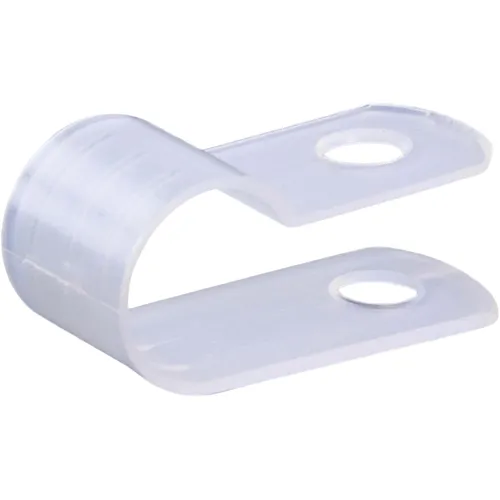
QUADRIOS 22CA149
Heavy-duty for thick bundles
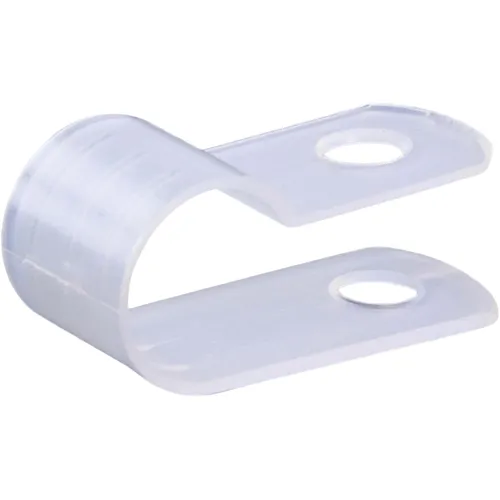
QUADRIOS 22CA144
Small profile for tight spaces
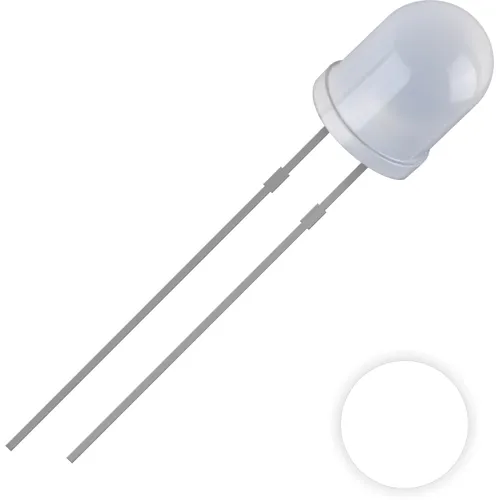
QUADRIOS 2111O167
Bright white for illumination
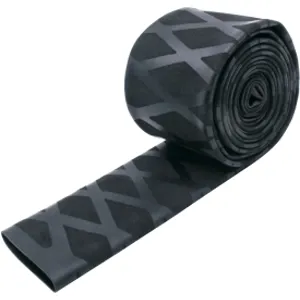
QUADRIOS 1908CA063
Versatile for standard repairs

QUADRIOS 2011C401
Heavy-duty solder splice