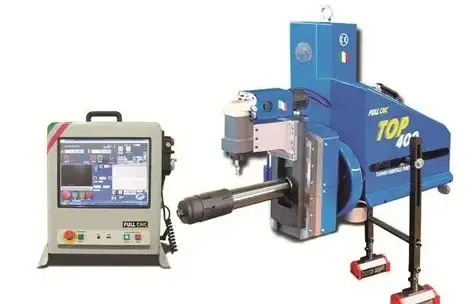
Conventional optics are born by abrasion: generate the shape by grinding, then lap, then polish, then figure-correct — a sequence of fading feedback loops that takes days per element. Single-point diamond turning collapses the sequence into one cut: a diamond tool, resolved to nanometers, on an ultra-precision lathe, cutting the final surface directly. Machines like the LT MTC 250 class — granite base, air-bearing spindle, sub-2 nm Ra capability — exist because that collapse is worth building a machine around.
What diamond turning changes
Geometry freedom first. The tool follows any rotationally symmetric path — aspheres, freeforms, fresnel structures — without the lap that conventional polishing would need for each new shape. Prototypes and small batches stop being tooling projects. Second, datum integrity: the surface is cut in the setup that machined the mount, so centration and thickness stay tied to the mechanical datum instead of drifting through handling.
Where lapping keeps the job
Materials decide the boundary. Diamond turning cuts crystal, metal and some plastics — germanium, silicon, aluminum, nickel, acrylic — but not glass: glass deforms by fracture, not flow, and the diamond would micro-crack it. Glass optics still travel the lapping-polishing road, increasingly assisted by magnetorheological finishing. And for the very finest flats and spheres, full-aperture polishing still holds the absolute figure record.
The decision rule
Rotationally symmetric optics in cuttable materials: diamond turning, especially below volume where polishing tooling cannot amortize. Glass, extreme flats, or huge apertures: conventional finishing. Either way, the metrology stack — interferometers and angle-sensing instruments — decides the acceptance, so buy the measurement with the machine.
Why does the spindle need air bearings?
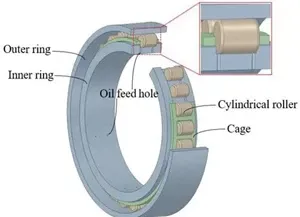
At nanometer class, a rolling bearing's error motion would print directly into the surface. Air (or oil) film spindles rotate with nanometer-level error motion — the bearing becomes part of the optical specification.
Is diamond turning only for lenses?
No — molds are the quiet majority. Diamond-turned nickel and steel mold inserts give injection molding its optical surfaces; the consumer optics around you are mostly grandchildren of a diamond-turned tool.