
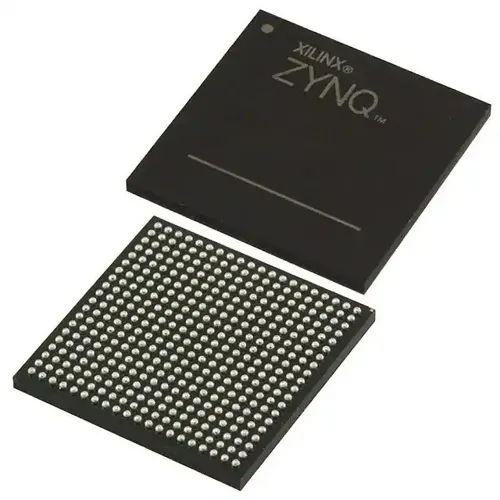
Product Specifications
- Manufacturer
- AMD Xilinx
- Part Number
- XC7Z010-1CLG400C
- Product Type
- System on Chip (SoC) / FPGA
- Family
- Zynq-7000
- Core Processor
- Dual ARM Cortex-A9 MPCore with CoreSight
- Processor Speed
- 667 MHz
- Logic Cells (PL)
- 28,000
- DSP Slices (PL)
- 80
- Block RAM (PL)
- 240 KB
- On-Chip RAM (PS)
- 256 KB
- Programmable I/O (PL)
- 100
- Processor I/O (PS MIO)
- 54
- Speed Grade
- -1
- Process Technology
- 28 nm
- Package
- 400-CSPBGA (17x17 mm)
- Operating Temperature
- 0°C to 85°C
Product Description
The XC7Z010-1CLG400C is not just an FPGA. It is not just a microcontroller. It is both, in the same physical package, connected by an internal high‑bandwidth bus that makes the two halves look like a single chip to software.
Processing System vs. Programmable Logic
The PS (Processing System) side contains a dual‑core ARM Cortex-A9 MPCore processor running at 667 MHz, with 256 KB of on‑chip RAM, cache controllers, interrupt handling, and standard peripherals — USB, Ethernet, UART, SPI, I²C, GPIO, and memory controllers for DDR3. You write C/C++ code for this side, just like any other ARM processor. Linux runs here. FreeRTOS runs here. Bare‑metal applications run here.
The PL (Programmable Logic) side is essentially an Artix-7 FPGA with 28,000 logic cells, 80 DSP slices, 240 KB of block RAM, and 100 dedicated I/O pins. You program this side in Verilog or VHDL, just like any other FPGA. The magic is that the PL can connect directly to the PS through a high‑bandwidth AXI bus interface — up to hundreds of megabytes per second — without going off‑chip.
Why This Architecture Exists
Traditional embedded systems use a microcontroller and a separate FPGA on the same PCB. Data crosses from one chip to the other through a narrow SPI or parallel bus — slow, power‑hungry, and physically large. The Zynq-7000 puts the two chips onto one piece of silicon, with an internal bus that is both faster and lower power. The 17×17 mm CSPBGA package is smaller than many standalone ARM processors alone, let alone a two‑chip solution.
The XC7Z010 is the entry point to the Zynq-7000 family. It has fewer logic cells than the XC7Z020 (28,000 vs 85,000) and fewer DSP slices (80 vs 220). But for many applications — motor control with hardware acceleration, industrial Ethernet gateways, vision processing with simple algorithms — 28,000 logic cells are enough. The real value is not the size of the PL, but the fact that it exists at all alongside a 667 MHz dual‑core ARM.
What People Build with This
Consider a drone flight controller: the ARM runs the navigation stack (sensor fusion, waypoint tracking, communication with ground control), while the PL handles the real‑time motor control loops and sensor capture. No latency from an external bus. Or a software‑defined radio: the ARM runs the protocol stack, the PL does the digital downconversion and filtering. Or an industrial gateway: ARM runs Linux and network stacks, PL implements custom fieldbus protocols.
If your design can get by with a smaller ARM processor or a smaller FPGA separately, that might be cheaper. But if you need both a capable processor and customizable hardware logic in a compact footprint — and you want them to talk to each other at internal bus speeds — the Zynq-7000 is difficult to beat.
Resources & Documentation
The Chip That Puts an ARM CPU and an FPGA on the Same Die – Xilinx Zynq-7000 XC7Z010-1CLG400C
Product Specifications
- Manufacturer
- AMD Xilinx
- Part Number
- XC7Z010-1CLG400C
- Product Type
- System on Chip (SoC) / FPGA
- Family
- Zynq-7000
- Core Processor
- Dual ARM Cortex-A9 MPCore with CoreSight
- Processor Speed
- 667 MHz
- Logic Cells (PL)
- 28,000
- DSP Slices (PL)
- 80
- Block RAM (PL)
- 240 KB
- On-Chip RAM (PS)
- 256 KB
- Programmable I/O (PL)
- 100
- Processor I/O (PS MIO)
- 54
- Speed Grade
- -1
- Process Technology
- 28 nm
- Package
- 400-CSPBGA (17x17 mm)
- Operating Temperature
- 0°C to 85°C
Resources & Documentation

Xilinx XCKU040-2FFVA1156E
Kintex UltraScale FPGA 530K cells
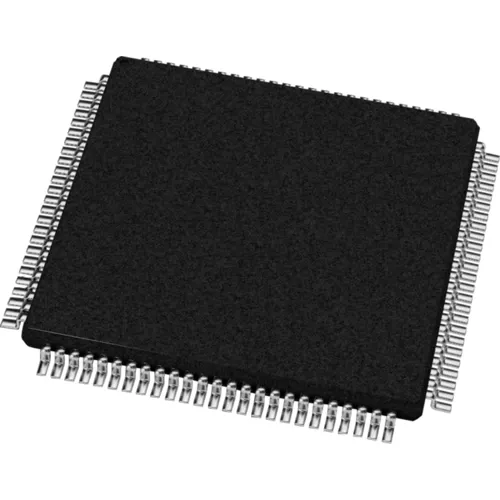
Xilinx XC95144XL-10TQG100C
XC9500XL CPLD 144MC 100MHz
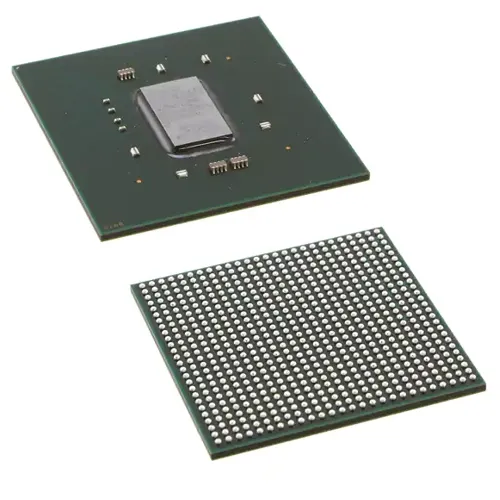
Xilinx XC6SLX75-3FGG484C
Spartan-6 LX 74K cells 862MHz
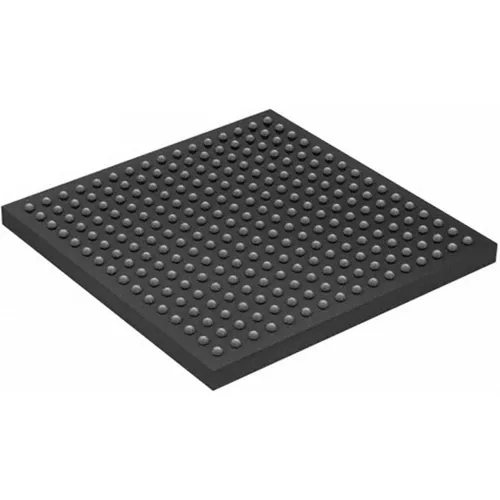
Xilinx XC6SLX16-2FTG256C
Spartan-6 LX FPGA 14K cells
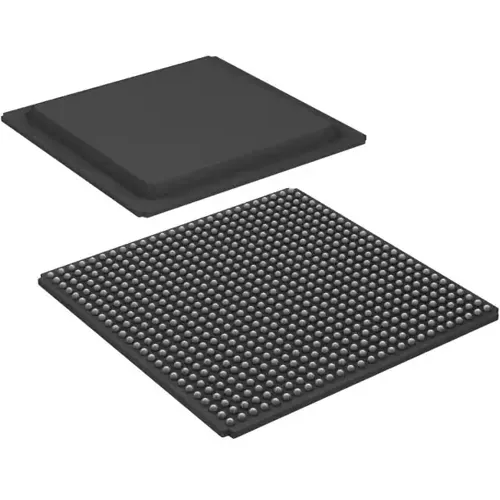
Xilinx XC6SLX100-3FGG676C
Spartan-6 LX FPGA 100K cells
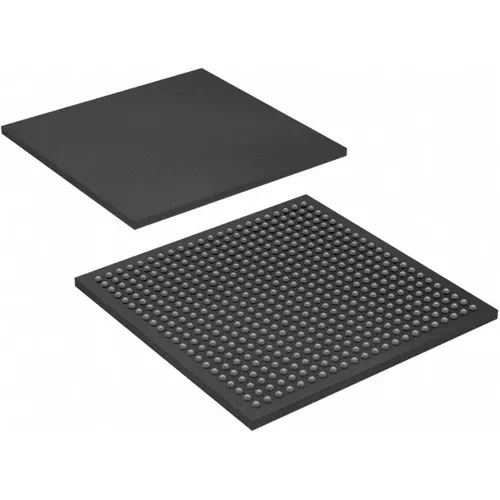
Xilinx XC6SLX45-2CSG484C
Spartan-6 LX 43K cells CSBGA
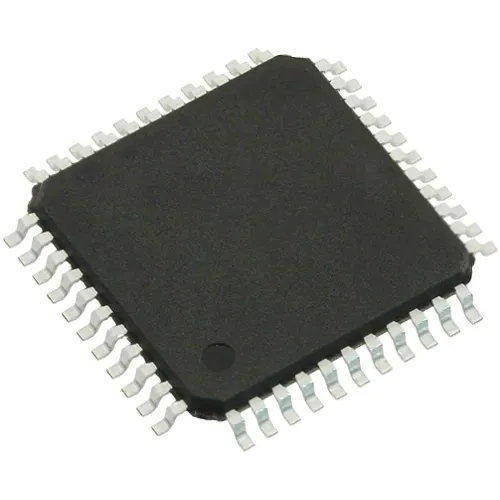
Xilinx XC9572XL-10VQG44C
44-VQFP XC9500XL CPLD 72MC
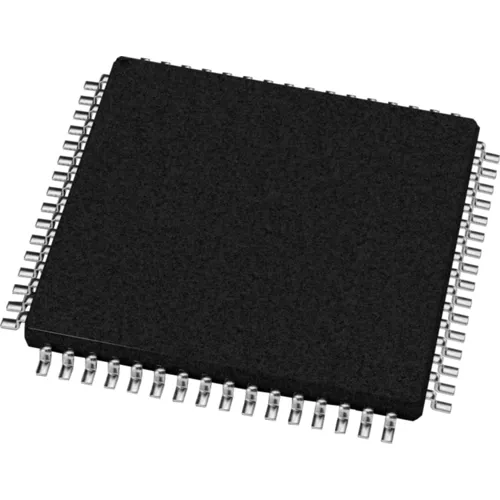
Xilinx XC9572XL-10VQG64C
XC9500XL CPLD 72MC 64-VQFP
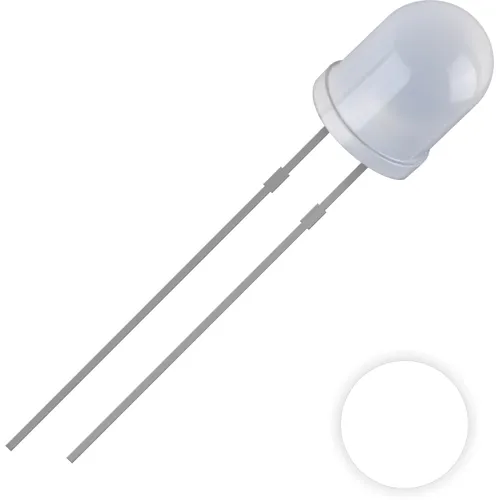
QUADRIOS 2111O167
Bright white for illumination
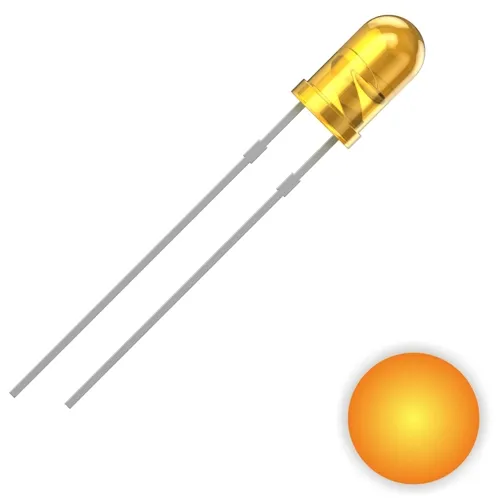
QUADRIOS 2111O154
Basic yellow for status lights
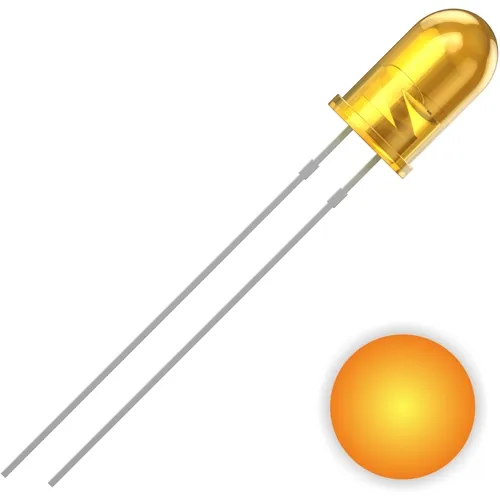
QUADRIOS 2111O159
Classic yellow for status panels
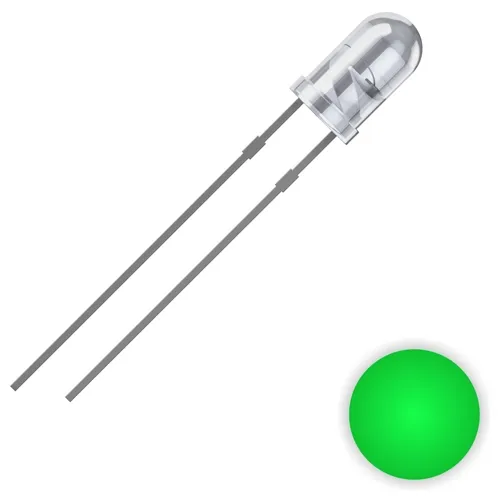
QUADRIOS 2111O176
Extreme brightness for signs
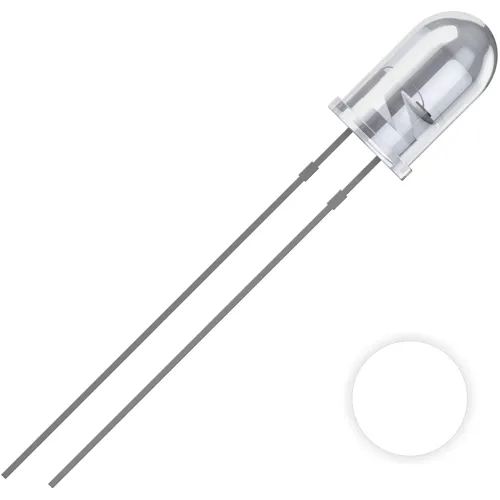
QUADRIOS 2111O182
Extreme brightness for signage
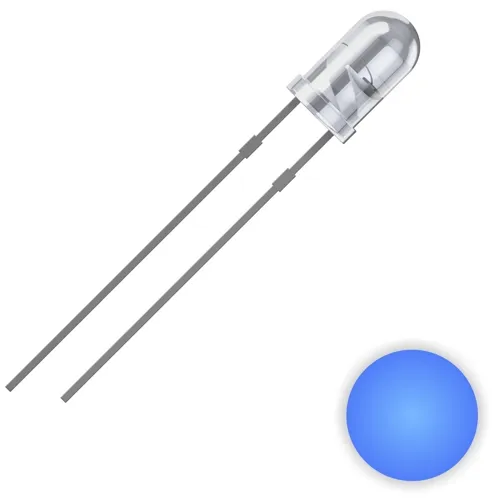
QUADRIOS 2111O175
Focused blue for long distance
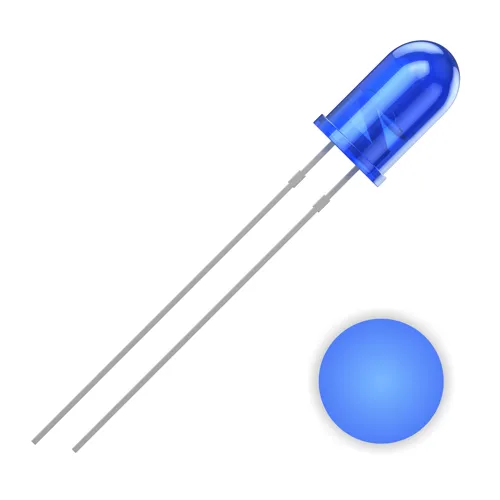
QUADRIOS 2111O156
Deep blue for clear contrast
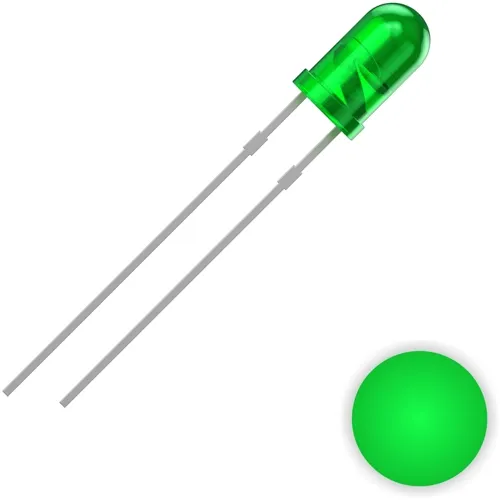
QUADRIOS 2111O152
High-brightness for indicators