When a fire breaks out, the fire pump controller is the one device in the building that must work — regardless of whether utility power is available, regardless of whether anyone is on site to intervene, and regardless of how long it has been sitting idle since the last weekly test. NFPA 20, the standard for the installation of stationary pumps for fire protection, defines two fundamentally different controller architectures: one for electric motor-driven pumps and one for diesel engine-driven pumps. The choice between them is not a question of preference — it is a question of what power source will be available at the moment the pump is called upon.
Electric Motor Fire Pump Controllers: Reliable When the Grid Is
An electric fire pump controller connects a squirrel-cage induction motor — typically 15–500 HP — directly across the line or via a reduced-voltage starter to the facility power supply. Per NFPA 20, the controller must be listed for fire pump service (UL 218/FM 1321), must be powered from a dedicated service ahead of the main building disconnect, and must be able to carry locked-rotor current indefinitely — the controller cannot trip on overload because destroying a motor that is delivering water to a sprinkler system is preferable to stopping the water flow. The controller monitors phase loss, phase reversal, and under-voltage, and provides automatic weekly test start capability.
The case for electric is straightforward: lower installed cost, smaller physical footprint, no fuel storage tank, no engine cooling system, and simpler NFPA 25 inspection and testing requirements. The single-point failure is utility power. If the building loses grid power during a fire — as can happen when the fire itself damages on-site electrical infrastructure, or when the utility preemptively de-energizes distribution lines in a wildfire zone — an electric fire pump stops. NFPA 20 therefore requires that an electric fire pump be served by either a reliable power source (as determined by the authority having jurisdiction) or an on-site emergency generator. The generator itself becomes another system that must start, transfer, and carry load within 10 seconds — adding cost, complexity, and another layer of NFPA 110 compliance. For facilities where grid reliability cannot be guaranteed, the alternative is a diesel engine that carries its own energy on board.
Diesel Engine Fire Pump Controllers: Self-Contained Power at a Maintenance Cost
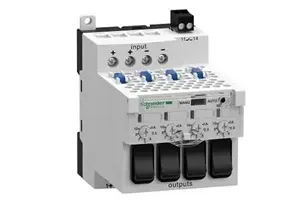
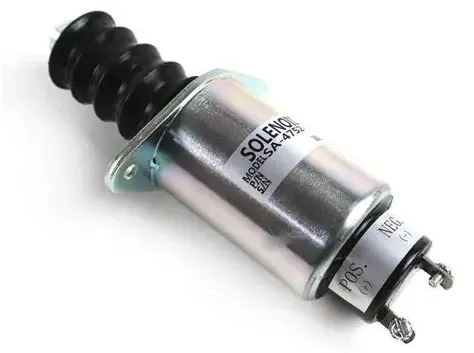
A diesel fire pump controller manages the starting, running, and monitoring of a diesel engine directly coupled to the pump. The controller maintains the engine starting batteries on a float charger, initiates the crank cycle on a pressure-drop or remote-start signal, monitors engine parameters (oil pressure, coolant temperature, overspeed), and controls the fuel solenoid. Per NFPA 20, the controller must attempt two cranking cycles of 15 seconds each with a 10-second rest between, and must indicate a failed start after both cycles are exhausted. A manual crank provision is required to override the automatic sequence in case of controller failure.
The diesel architecture decouples fire pump operation from the electrical grid entirely. As long as the fuel tank contains diesel and the batteries hold a charge, the pump runs. This independence is decisive for facilities in areas with unreliable grid power, facilities where a fire could itself damage the electrical service entrance, and facilities — such as high-hazard chemical plants and bulk flammable-liquid storage — where the authority having jurisdiction will not accept an electric-only pump regardless of generator backup. Products like the Tornatech GPY-Touch fire pump controller provide a touchscreen operator interface with real-time engine parameter display, event logging for NFPA 25 compliance reporting, and dual-battery charging circuits with automatic weekly exerciser functionality — consolidating what previously required separate engine instrumentation, battery charger, and test timer panels into a single listed assembly.
The trade-offs are operational, not theoretical. Diesel engines require a fuel tank sized for 8 hours of continuous operation at rated load (NFPA 20 minimum, with longer run times often required by local amendments). Diesel fuel degrades over time — microbial growth, water condensation, and oxidation are real problems in a tank that may sit untouched for years. NFPA 25 requires annual fuel testing and polishing or replacement if the fuel fails specification. The engine itself requires monthly test runs under load (not just cranking), with oil, coolant, belts, and hoses on a preventive maintenance schedule regardless of whether the engine has ever run in anger. A diesel fire pump controller is a long-term commitment to a maintenance program — one that protects a building from fire but demands its own protection from neglect.
Jockey Pump Coordination: Different for Each Architecture
Both electric and diesel fire pump systems include a jockey pump — a small pump that maintains system pressure against minor leaks and prevents the main fire pump from short-cycling. In an electric system, the jockey pump starts and stops from its own pressure switch, independent of the main controller. In a diesel system, the jockey pump must be coordinated with the engine controller so that the weekly automatic exerciser does not start the diesel against normal system pressure — a practical detail that differentiates controller designs and is worth verifying during specification review. For the broader safety ecosystem, explore our safety and security category for complementary fire and life safety systems.