
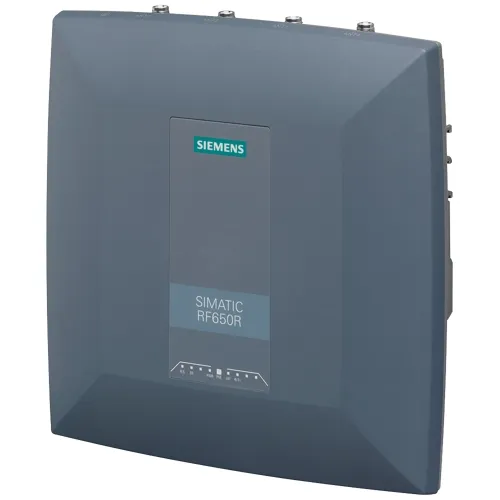
Product Specifications
- Brand
- Siemens
- Part Number
- 6GT2811-6AB20-0AA0
- Type
- UHF RFID Reader
- Series
- SIMATIC RF600
- Frequency Band
- 868 MHz (ETSI Europe)
- RF Power Output
- Up to 1000 mW (adjustable)
- Antenna Ports
- 4 × RP-TNC
- Interface
- Ethernet RJ45
- Protocols
- TCP/IP, OPC UA
- Digital I/O
- 4 Inputs / 4 Outputs (M12)
- Protection Rating
- IP30
- Dimensions
- 258 × 258 × 80 mm
- Supply Voltage
- 24 V DC
Product Description
Where does the RF650R fit in the SIMATIC RF600 UHF reader family?
The RF650R is the cost-optimized entry point to the four-antenna tier of the SIMATIC RF600 UHF reader lineup. It sits below the automation-focused RF680R and the premium RF685R, targeting applications where the host system is a PC or server rather than a PLC. If your architecture runs logistics software on Windows or Linux and communicates over standard Ethernet, the RF650R delivers the same 4-port UHF coverage as the RF680R at a lower price — roughly two-thirds the cost.
Why choose RJ45 Ethernet for industrial RFID — and when does it make sense?
M12 connectors are the right call for a vibrating machine frame or a washdown zone. But in a warehouse receiving bay, a distribution center dock door, or a clean conveyor line, RJ45 is the pragmatic choice. Standard Ethernet cabling is cheaper, faster to terminate in the field, and directly compatible with the IT infrastructure that already runs logistics and WMS applications. The RF650R communicates over TCP/IP using an XML-based protocol — any PC application that can open a socket and parse XML can control the reader. No PLC programming, no TIA Portal license, no proprietary middleware. OPC UA is also available for applications that need secure, structured data access. If your environment is clean and your host is a server, the RJ45 interface of the RF650R is not a compromise — it is the simpler path to working RFID.
What mounting and installation options does the RF650R support?
The RF650R fits into nearly any physical layout. Three mounting patterns are built into the housing:
- VESA 100 — four M4 bolts on a 100 × 100 mm square pattern; brackets, arms, and wall plates are off-the-shelf items
- 35 mm DIN rail — snaps onto standard IEC top-hat rail inside a control cabinet
- S7 profile rail — compatible with SIMATIC S7-300, S7-1200, and S7-1500 mounting rails for direct integration into an existing SIMATIC rack layout
The 258 × 258 × 80 mm footprint is shared with the RF680R and RF685R, so upgrading later does not force a mechanical redesign. Note the IP30 rating — the RF650R is for indoor environments. If your installation is exposed to water jets, dust, or outdoor conditions, the IP65-rated RF680R is the appropriate alternative.
Which frequency variant do I need for my region?
UHF RFID operates in different frequency bands depending on regional radio regulations. The RF650R uses the suffix code to indicate the region:
| Suffix | Frequency | Region |
|---|---|---|
| -0AA0 | 868 MHz | ETSI (Europe, EFTA, Turkey) |
| -1AA0 | 928 MHz | FCC (North America) |
| -2AA0 | 925 MHz | CMIIT (China) |
| -4AA0 | 924 MHz | Asia-Pacific (Japan, Taiwan, Korea) |
The 6GT2811-6AB20-0AA0 is the 868 MHz variant for the ETSI regulatory domain covering Europe, EFTA countries, and Turkey. The ETSI band uses a narrower channel plan and requires listen-before-talk — the RF650R handles this in firmware automatically. All four variants share identical hardware except for the RF front-end tuning.
Frequently Asked Questions
What is the practical read range of the RF650R with a standard antenna?
With a typical linearly-polarized UHF antenna (6 dBi) and a standard UHF tag, expect 4–6 meters of reliable read range in a clean RF environment. Maximum range can reach 8 meters with high-gain antennas and optimized tag orientation. Real-world range depends heavily on the tag type (on-metal vs. label), antenna cable length and quality, ambient RF noise, and the material the tagged object is made of. The RF650R's adjustable power output (3–1000 mW) lets you dial in the right coverage area rather than blasting at full power and creating cross-reads.
Does the ETSI variant restrict functionality compared to the FCC variant?
No. All four frequency variants share the same firmware, protocol support, and feature set. The ETSI variant operates in the 865–868 MHz band with a 200 kHz channel spacing and mandatory listen-before-talk — these are radio-layer differences handled automatically by the reader's RF front-end. Application-level behavior, XML command set, OPC UA data model, and digital I/O are identical across all regional variants.
Siemens SIMATIC RF650R — RJ45 Ethernet UHF RFID Reader, IP30, 868 MHz
Product Specifications
- Brand
- Siemens
- Part Number
- 6GT2811-6AB20-0AA0
- Type
- UHF RFID Reader
- Series
- SIMATIC RF600
- Frequency Band
- 868 MHz (ETSI Europe)
- RF Power Output
- Up to 1000 mW (adjustable)
- Antenna Ports
- 4 × RP-TNC
- Interface
- Ethernet RJ45
- Protocols
- TCP/IP, OPC UA
- Digital I/O
- 4 Inputs / 4 Outputs (M12)
- Protection Rating
- IP30
- Dimensions
- 258 × 258 × 80 mm
- Supply Voltage
- 24 V DC
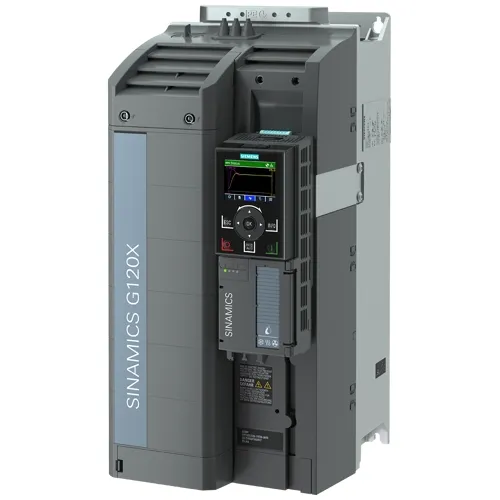
Siemens 6SL3230-3YE32-1UP0
22kW Unfiltered Drive, P-Suffix
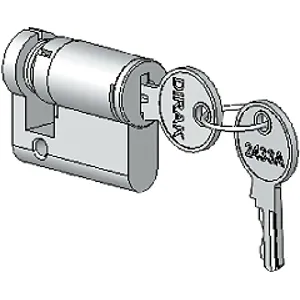
Siemens 8PQ9400-0BA26
DIN 18252, 8x45°, SIVACON S4
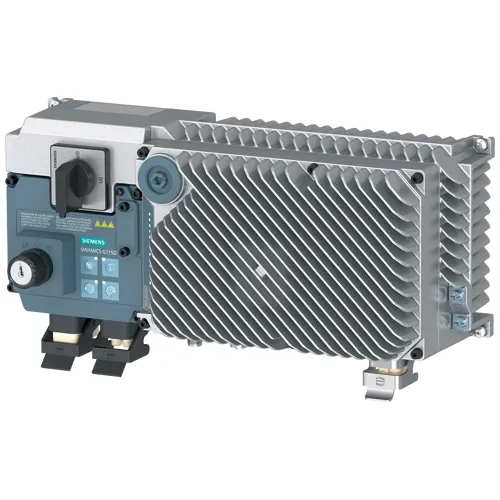
Siemens 6SL3520-2XB01-1AB0
1.1kW FSA B-Connector, AB0 I/O
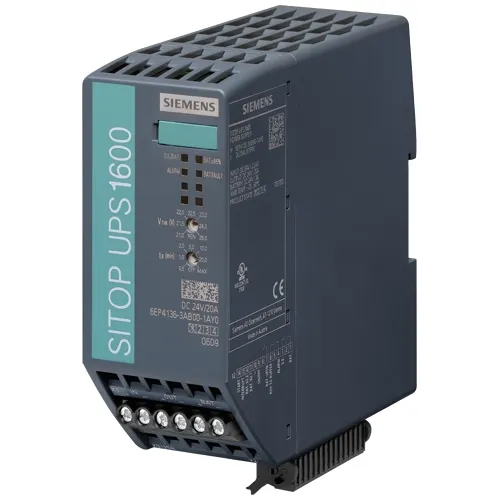
Siemens 6EP4136-3AB00-1AY0
24V 20A USB UPS Module
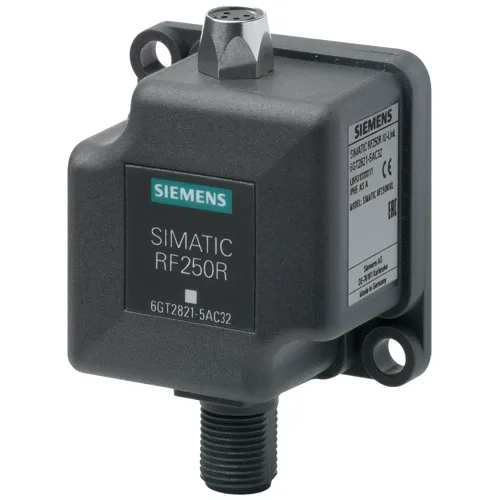
Siemens 6GT2821-5BC32
Ultra-compact IO-Link reader with flexible external antenna selection for confined-space identification
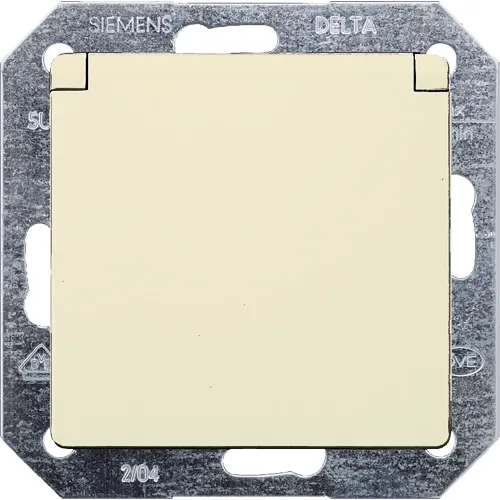
Siemens 5UB1905
Touch-protected hinged-cover Schuko socket
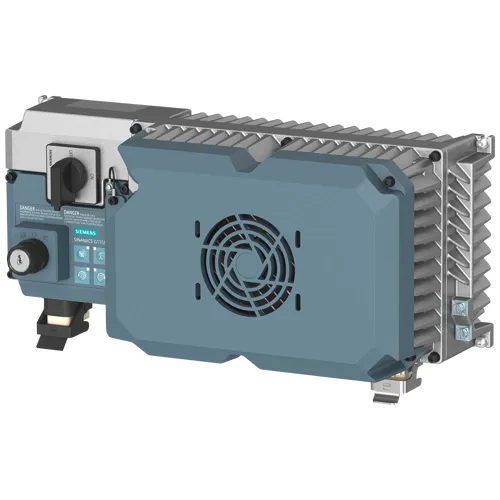
Siemens 6SL3520-1XA67-5AA0
7.5 kW Wall-Mounted Drive
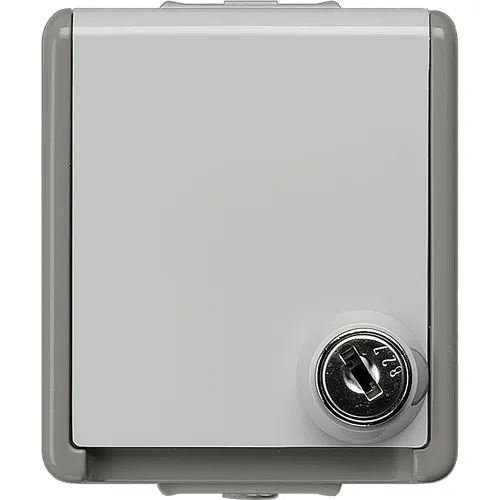
Siemens 5UB4715
Single Socket, Increased Touch Protection
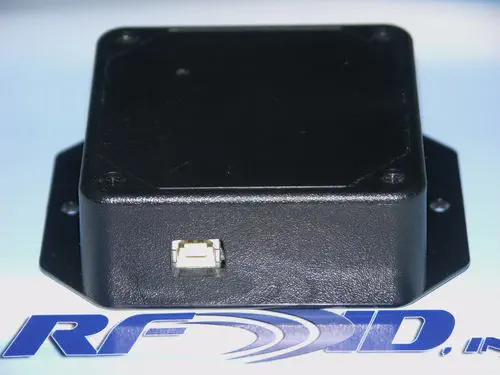
RFID Inc. 800-0209-01-SA
LF 125 kHz, Desktop USB Programmer
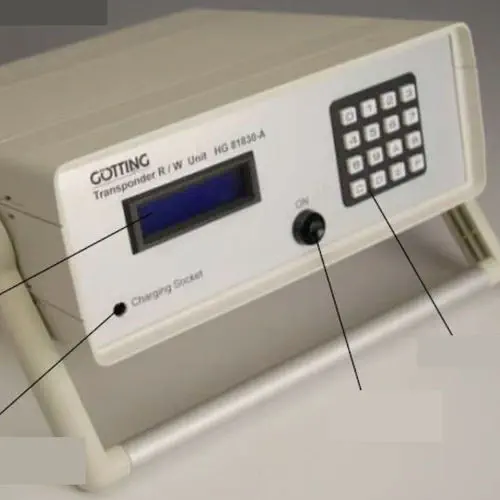
GÖTTING HG G-81830
Supports 125 kHz to 13.5 MHz RFID
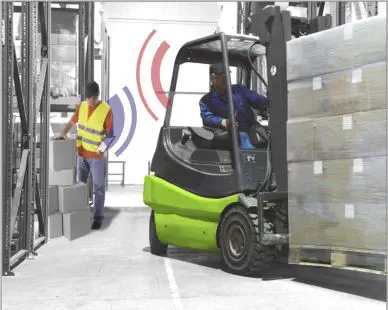
Claitec PAS
RFID forklift-pedestrian collision alert
GIROPES GST1 Plus
ERP Connect, Auto Weighing
Monarch Instrument Track-It RFID
Android app, IP65, 1-year battery
AMF 54T
Non-Contact RFID Transponder Safety Switch
Monarch Instrument Track-It RFID
Wireless data transfer via Android, IP65