
Product Specifications
- Brand
- Waygate Technologies
- Part Number
- Speed|ADR
- Product Type
- Automated Defect Recognition Software
- Platform
- Windows 64-bit
- CT System Compatibility
- Phoenix Speed|scan, Phoenix|X-Ray CT Systems
- Integration
- Volume Graphics VGinLINE
- Detection Targets
- Porosity, Cracks, Inclusions, Voids
- Key Capabilities
- AI-Based 3D Defect Detection, Quantitative Analysis, Process Control Integration
Product Description
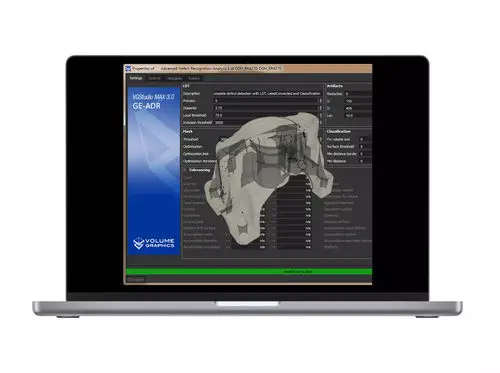
Speed|ADR automates the most time-consuming step in production CT inspection: the manual review of 3D scan volumes by a human analyst. Purpose-built for high-volume industrial CT scanning, it applies trained algorithms to detect, classify, and quantify internal defects in seconds per part rather than minutes, delivering precise quantitative 3D data for real-time production process control.
How does automated defect recognition integrate into a production CT workflow?
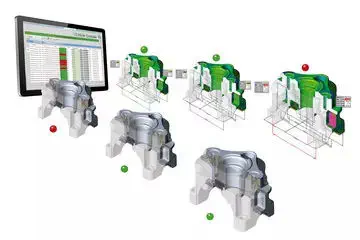
Speed|ADR integrates with Phoenix Speed|scan CT systems and Volume Graphics' VGinLINE software to create a fully automated inspection pipeline. After CT acquisition, the software evaluates the 3D volume, detects anomalies such as porosity, cracks, and inclusions, and generates a quantitative results table with defect dimensions, locations, and statistics. This data feeds directly into production process control systems, allowing engineers to identify process drift — such as rising porosity in a casting — before it produces out-of-tolerance parts. The customizable interface presents 3D defect detection results in the format most relevant to each production role.
What manufacturing defects can Speed|ADR detect and quantify?
Speed|ADR is designed for the defect types most critical in high-volume manufacturing: internal porosity in castings and additively manufactured parts, cracks from thermal stress or material fatigue, and inclusions or impurity particles that compromise structural integrity. It provides precise 3D quantification — defect volume, location coordinates, nearest-surface distance, and statistical distributions — enabling engineers to distinguish between random anomalies and systematic process issues that require corrective action.
Frequently Asked Questions
What CT systems is Speed|ADR compatible with?
Speed|ADR is designed for Waygate Technologies' own Phoenix product line, specifically the Speed|scan high-speed CT system and Phoenix|X-Ray industrial CT systems, via Volume Graphics' VGinLINE automation interface.
How are defect recognition models trained?
Users or Waygate consultants annotate a representative set of CT images to label known defects, then train the inference model on this ground-truth dataset. Models can be retrained with new production data to improve accuracy over time, adapting to evolving manufacturing processes.
What quantitative outputs does Speed|ADR provide?
Speed|ADR outputs defect dimensions (length, width, depth), volume, spatial coordinates, nearest-surface distance, and statistical summaries — all in a sortable table format suitable for SPC trending and process capability analysis in manufacturing execution systems.
Resources & Documentation
Waygate Technologies Speed|ADR Automated 3D Defect Recognition Software for Production CT Inspection
Product Specifications
- Brand
- Waygate Technologies
- Part Number
- Speed|ADR
- Product Type
- Automated Defect Recognition Software
- Platform
- Windows 64-bit
- CT System Compatibility
- Phoenix Speed|scan, Phoenix|X-Ray CT Systems
- Integration
- Volume Graphics VGinLINE
- Detection Targets
- Porosity, Cracks, Inclusions, Voids
- Key Capabilities
- AI-Based 3D Defect Detection, Quantitative Analysis, Process Control Integration
Resources & Documentation
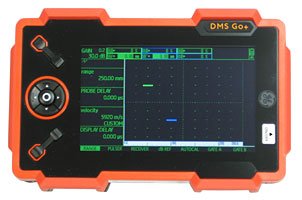
Waygate Technologies DMS Go+ Series
Basic, Base, Advanced models; IP67, flip display
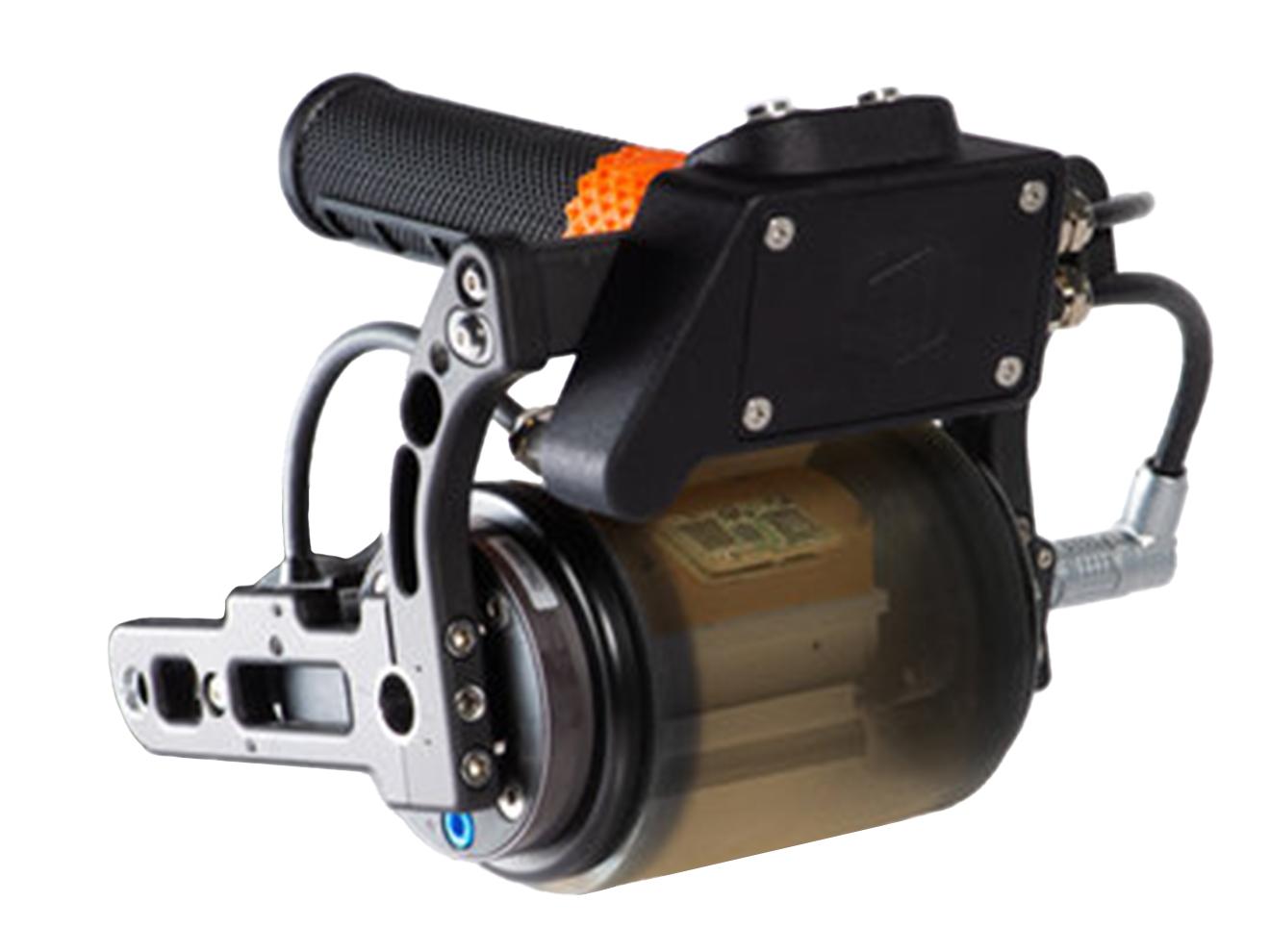
Waygate Technologies RotoArray comPAct
Phased Array Roller Probe, USB, 64 Elements
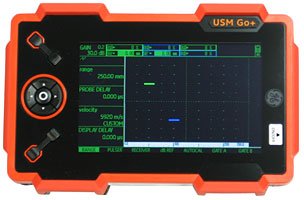
Waygate Technologies USM Go
Portable Flaw Detector, 1.87lb, IP67
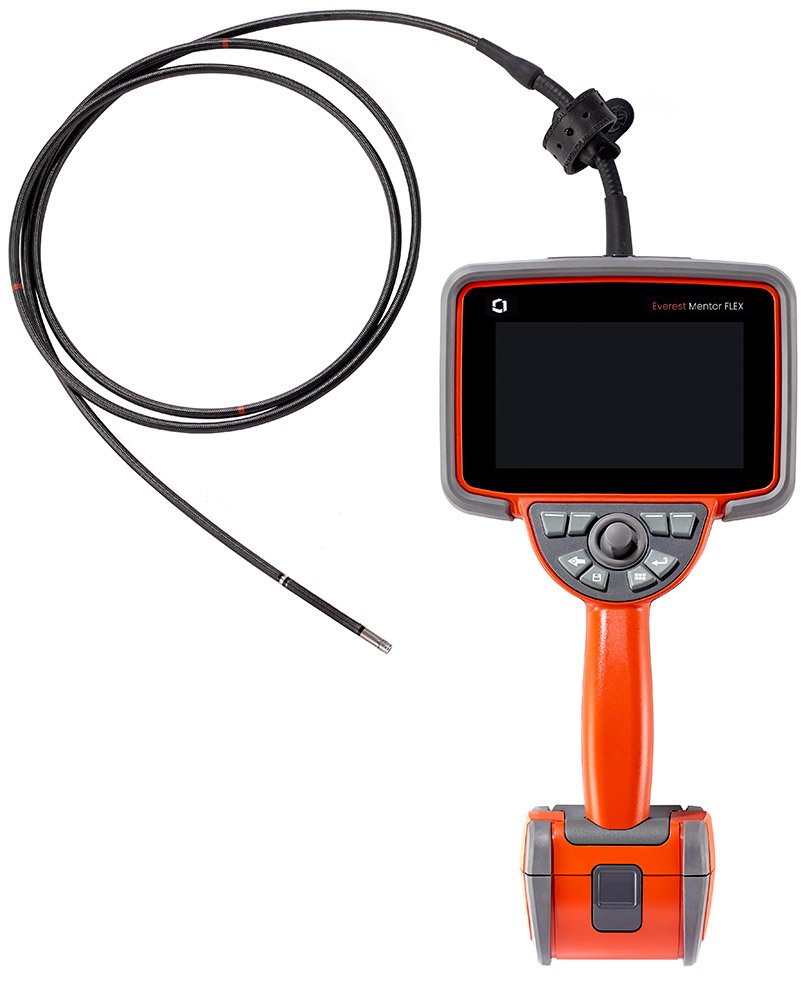
Waygate Technologies Everest Mentor Flex Series
Military-Grade Durability | High-Clarity Articulating Boresc
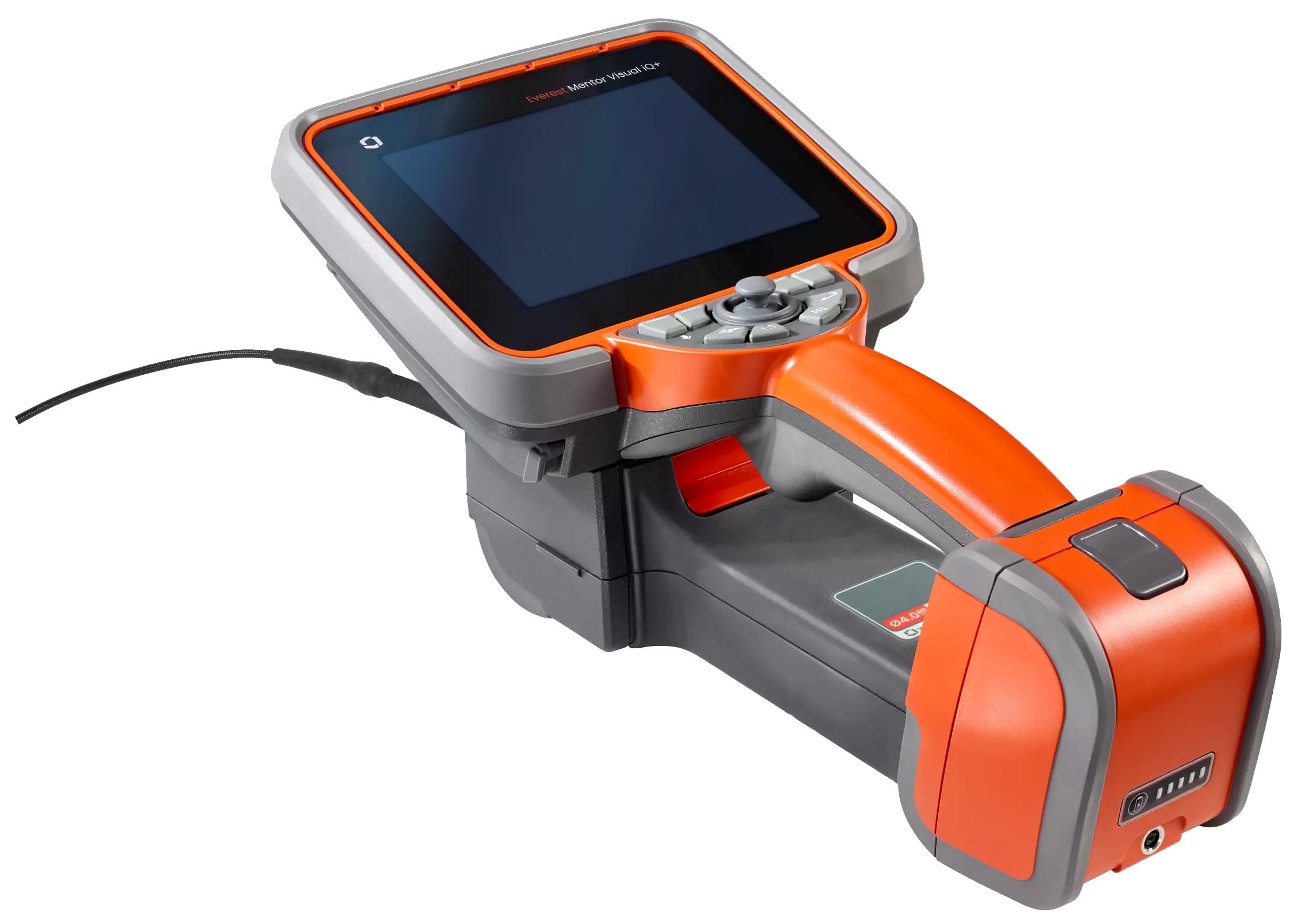
Waygate Technologies Everest Mentor Visual iQ+ Series
Voice Control | 360° Articulation | Cloud-Connected NDT Bore
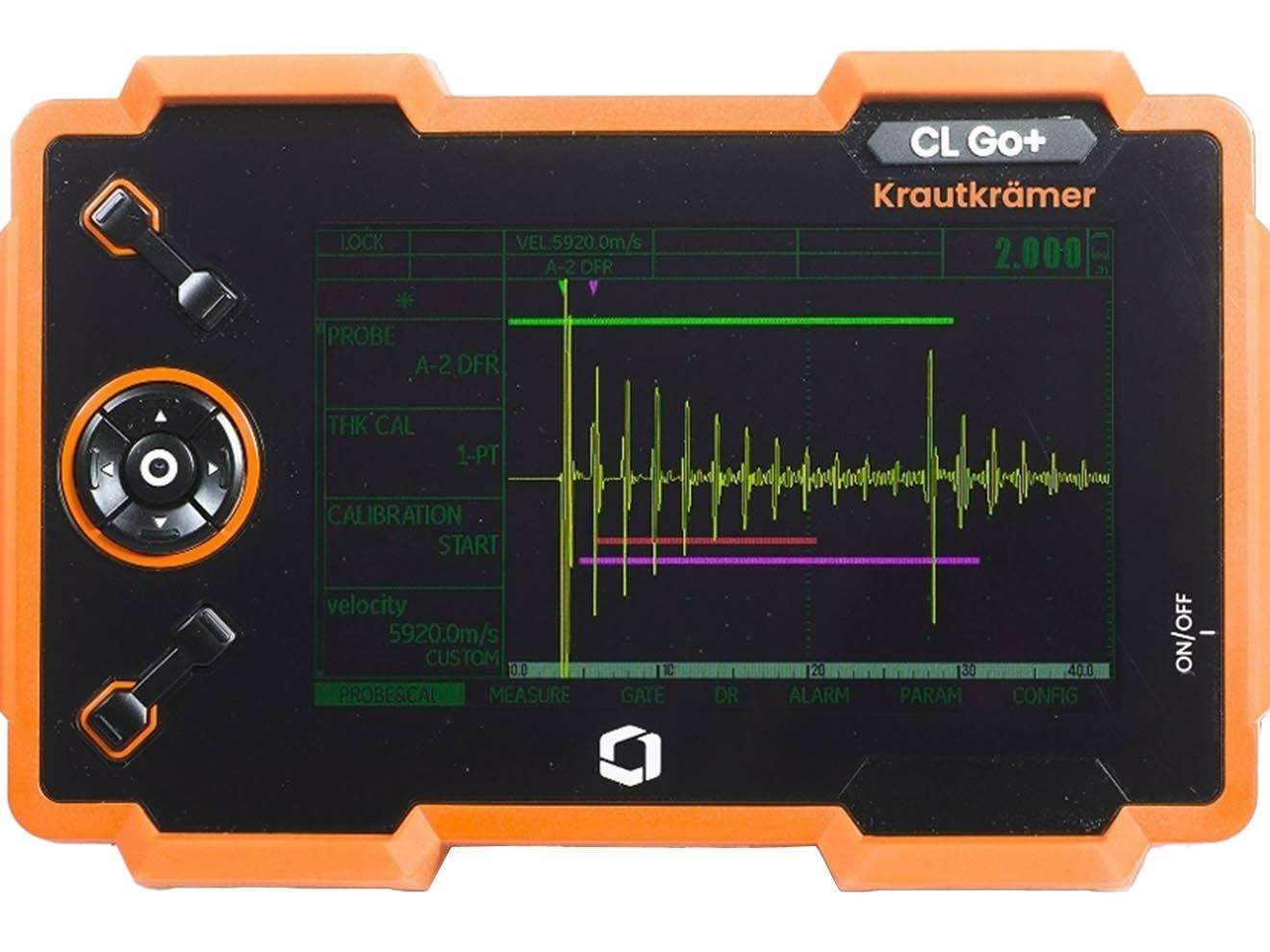
Waygate Technologies CL Go+
0.005-20in range, IP67, SD card data storage
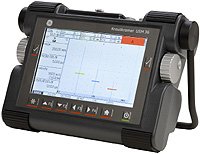
Waygate Technologies USM 36
Workhorse Flaw Detector, 7in LCD, IP66
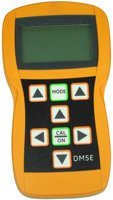
Waygate Technologies DM5E Series
3 models: Basic, DM5E (thru-coat), DM5E DL (logger)