
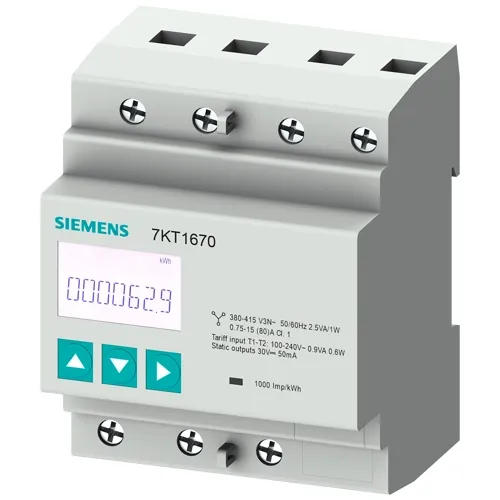
Product Specifications
- Brand
- Siemens
- Part Number
- 7KT1667
- Product Type
- 3-Phase Energy Meter
- Series
- SENTRON PAC1600
- Current Input
- 80 A (direct-connected)
- Communication Interface
- M-Bus (EN 13757)
- MID Certification
- No
- Accuracy (Active Energy)
- Class 1 (IEC/EN 62053-21)
- Nominal Voltage
- 230 V L-N / 400 V L-L
- Frequency
- 50/60 Hz
- Dimensions (L × W × H)
- 90 × 72 × 63 mm
- Weight
- 360 g
- Mounting
- DIN Rail
Product Description
The Siemens 7KT1667 is the non-MID M-Bus variant of the PAC1600 series with direct 80 A connection. It delivers active, reactive, and apparent energy readings over an M-Bus network to a central building management system — the right choice when network-based meter reading is the goal and billing certification is not required.
M-Bus for centralized meter reading — how does it work in practice?
Each 7KT1667 connects to a two-wire M-Bus loop back to an M-Bus master (level converter). The master polls each meter by its primary or secondary address, and the meter responds with energy registers, instantaneous values, and status information. The master typically connects via RS-232 or USB to a building controller, data logger, or edge gateway. From there, data flows into the BMS, energy management software, or cloud platform. The bus topology — daisy-chain from meter to meter — dramatically reduces cabling compared to point-to-point wiring.
Direct 80 A — what are the practical limits?
The 80 A rating is the maximum continuous current per phase. In practice, most three-phase circuits feeding distribution boards, HVAC equipment, or machine groups fall well within this range. The meter connects directly — no external CTs to source, mount, or wire. Conductor size is up to 25 mm² at the screw terminals. If your load is near or above 80 A, step up to the CT-connected 5 A M-Bus variant (7KT1663 or 7KT1664) paired with appropriately rated CTs.
| Parameter | 7KT1667 (M-Bus, no MID) | 7KT1668 (M-Bus, MID) | 7KT1663 (M-Bus, 5A, no MID) |
|---|---|---|---|
| Current Input | 80 A direct | 80 A direct | 5 A (CT) |
| Communication | M-Bus | M-Bus | M-Bus |
| MID Certified | No | Yes (Class B) | No |
| Frequency | 50/60 Hz | 50 Hz only | 50/60 Hz |
| Installation | Direct wire | Direct wire | Via external CTs |
Frequently Asked Questions
What is the difference between primary and secondary M-Bus addressing?
Primary addressing uses a simple 0–250 device address set during commissioning — easy to work with but can cause conflicts when meters from different batches are mixed. Secondary addressing uses the meter's unique factory-programmed 8-digit ID, eliminating conflicts entirely. The 7KT1667 supports both methods, selectable via configuration.
Does the M-Bus interface need a separate power supply?
The M-Bus communication circuit draws power from the bus itself (bus-powered), while the measurement circuit is self-powered from the measured mains voltage. No separate auxiliary supply is needed — only the two-wire M-Bus connection and the three-phase voltage connections.
Related Products
- Siemens 7KT1670 — Direct 80 A connection with S0 pulse output for simple energy monitoring setups
- Siemens 7KT1668 — M-Bus interface with MID billing compliance for direct 80 A three-phase measurement
- Siemens 7KT1664 — M-Bus with MID billing certification for CT-connected 5 A three-phase measurement
- Siemens 7KT1666 — Modbus RTU with MID billing certification for direct 80 A three-phase measurement
Resources & Documentation
Siemens 7KT1667 PAC1600 3-Phase Energy Meter — M-Bus Interface, 80A Direct-Connected
Product Specifications
- Brand
- Siemens
- Part Number
- 7KT1667
- Product Type
- 3-Phase Energy Meter
- Series
- SENTRON PAC1600
- Current Input
- 80 A (direct-connected)
- Communication Interface
- M-Bus (EN 13757)
- MID Certification
- No
- Accuracy (Active Energy)
- Class 1 (IEC/EN 62053-21)
- Nominal Voltage
- 230 V L-N / 400 V L-L
- Frequency
- 50/60 Hz
- Dimensions (L × W × H)
- 90 × 72 × 63 mm
- Weight
- 360 g
- Mounting
- DIN Rail
Resources & Documentation
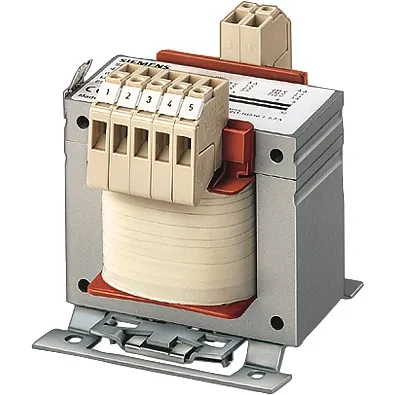
Siemens 4AM4642-8DD40-0FA0
400 VA Multi-Tap Control Transformer, 208-550V Primary Range
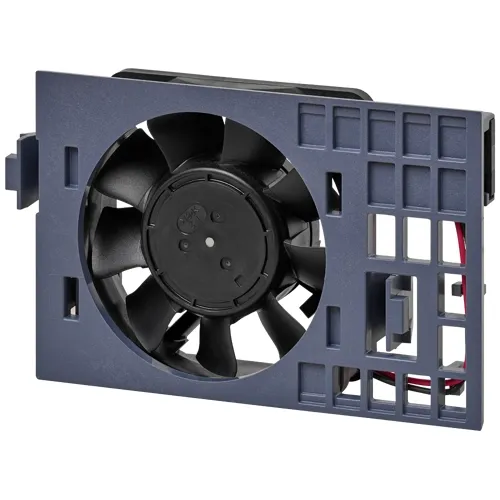
Siemens 6SL3260-0AB00-0AA0
S210 Cooling Fan for FSB Drives
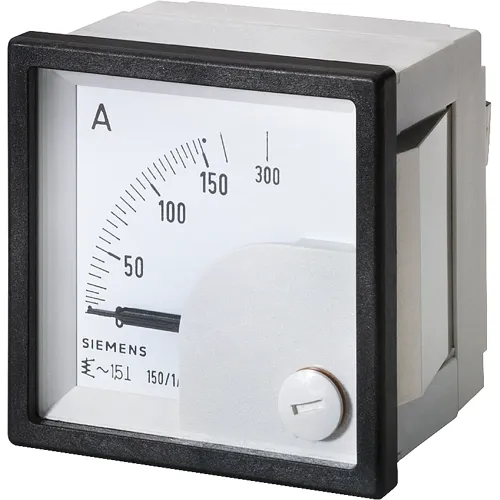
Siemens 3NJ6900-4HL21
Moving-iron pluggable ammeter for 600 A SENTRON fuse disconnectors
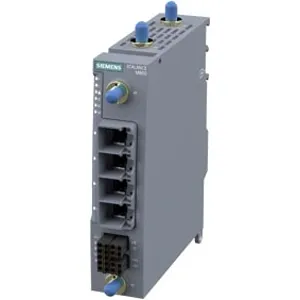
Siemens 6GK5853-2EA10-2AA1
A1, 5G SA/NSA, 4×RJ45, VPN, IP30
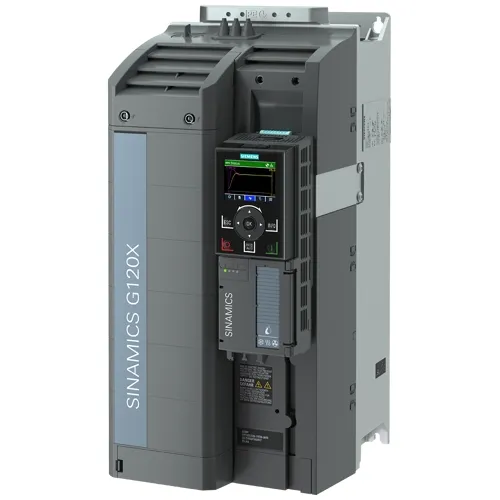
Siemens 6SL3230-3YE32-1UP0
22kW Unfiltered Drive, P-Suffix
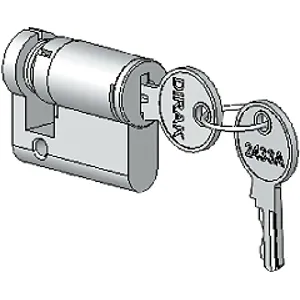
Siemens 8PQ9400-0BA26
DIN 18252, 8x45°, SIVACON S4
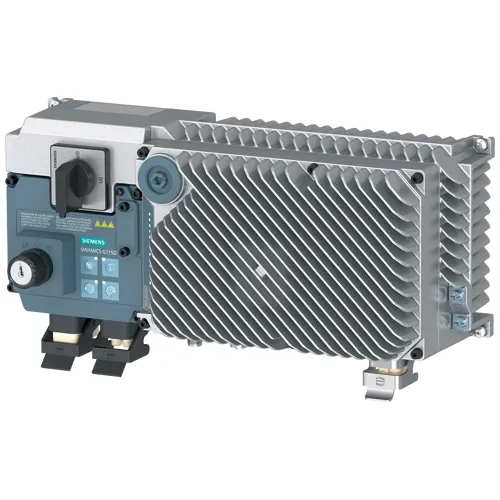
Siemens 6SL3520-2XB01-1AB0
1.1kW FSA B-Connector, AB0 I/O
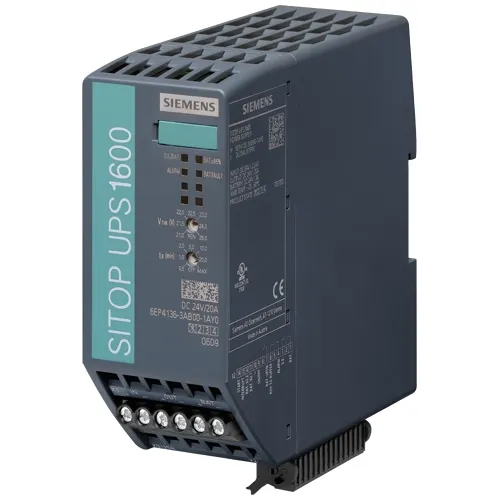
Siemens 6EP4136-3AB00-1AY0
24V 20A USB UPS Module
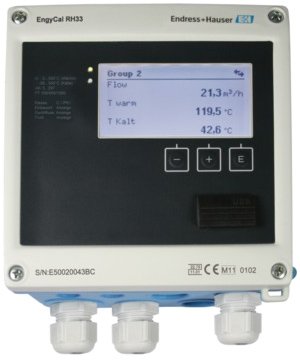
Endress+Hauser RH33
BTU Meter for Heating/Cooling, EN1434
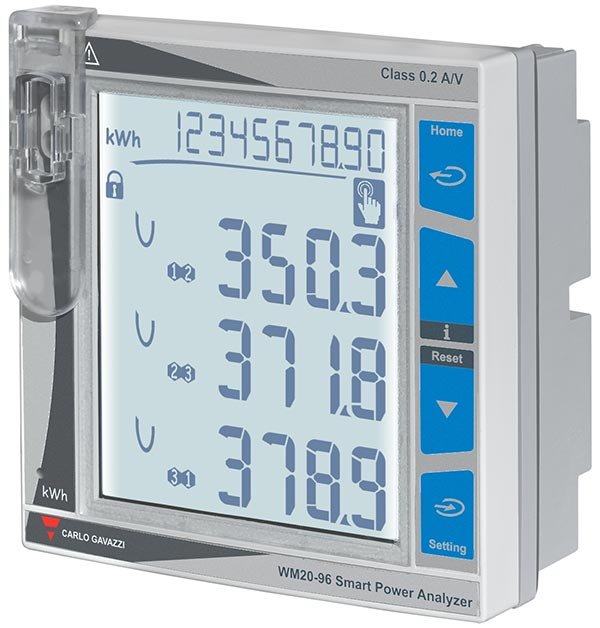
Carlo Gavazzi WM20AV53H
380-690V, 5(6)A, harmonics, dual alarms, LCD
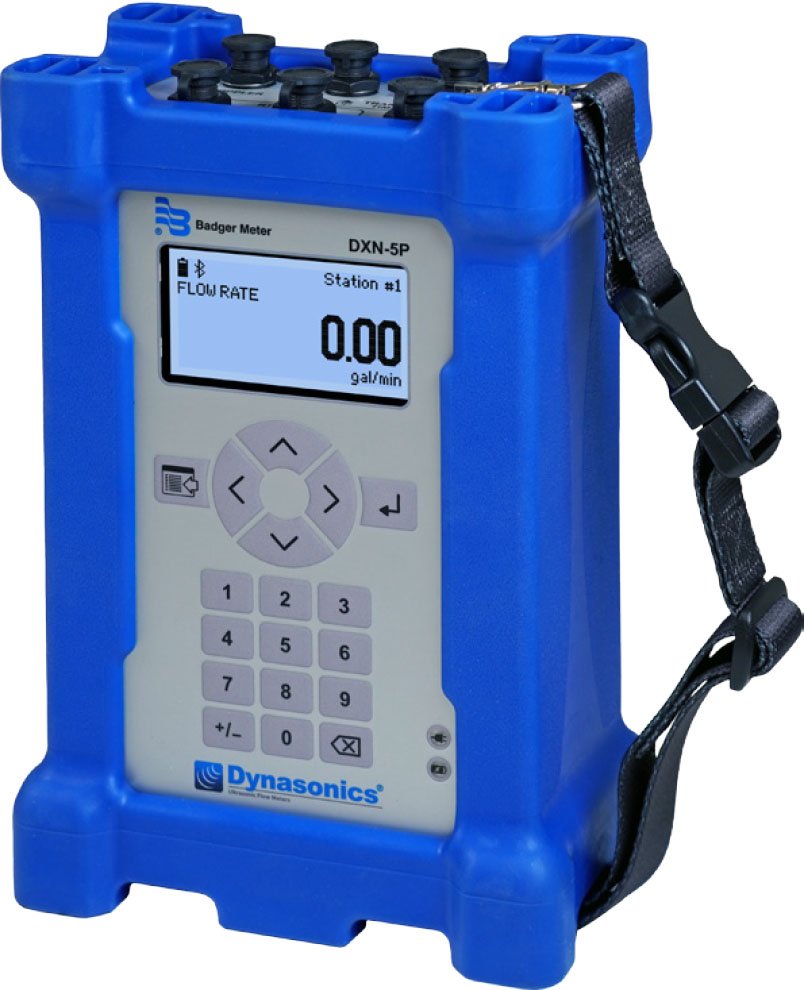
Dynasonics DXN-5P
Portable hybrid flow meter with energy monitoring
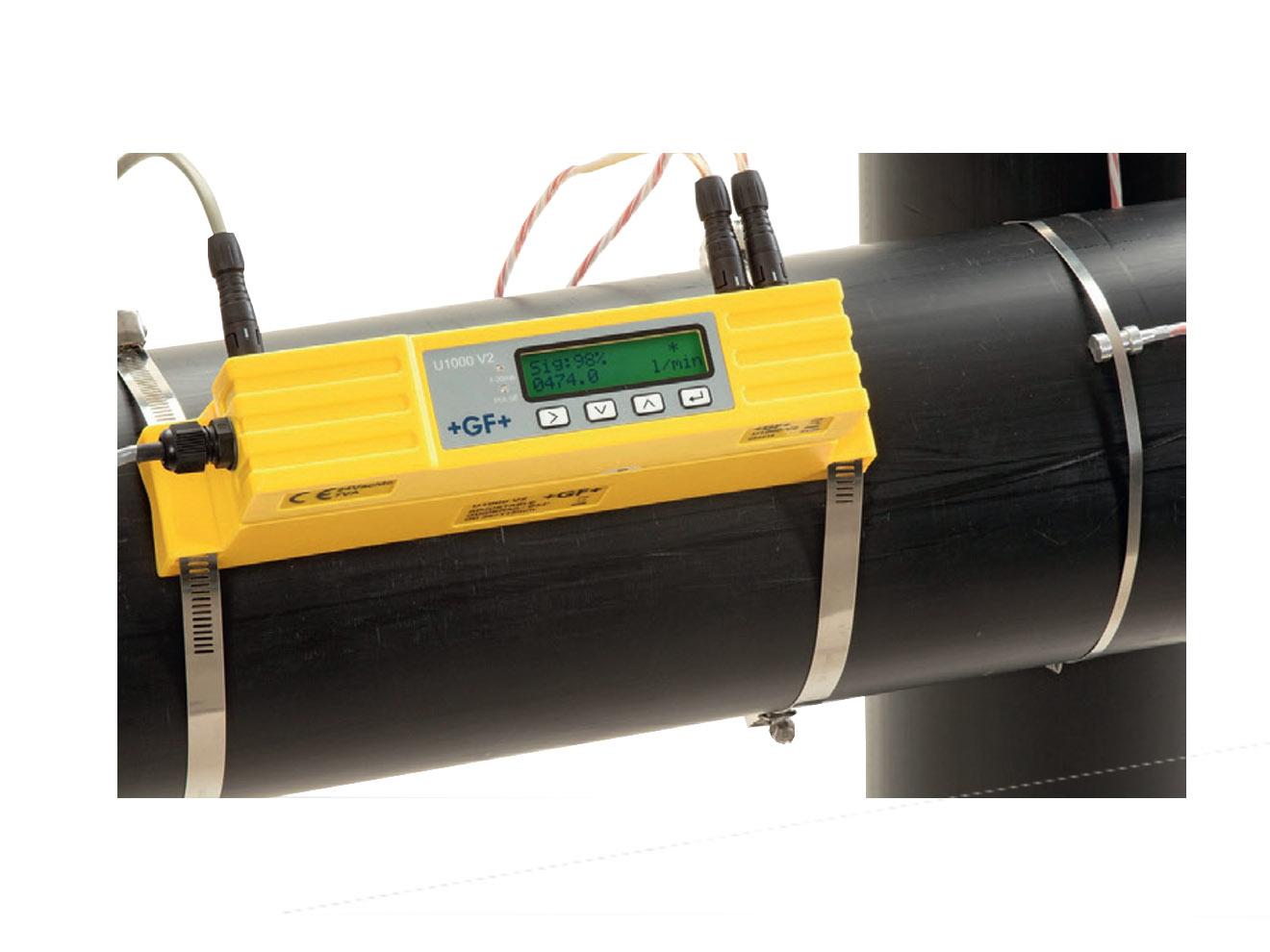
Georg Fischer / GF Signet U1000
Clamp-On Ultrasonic Heatmeter, 0.1-10m/s
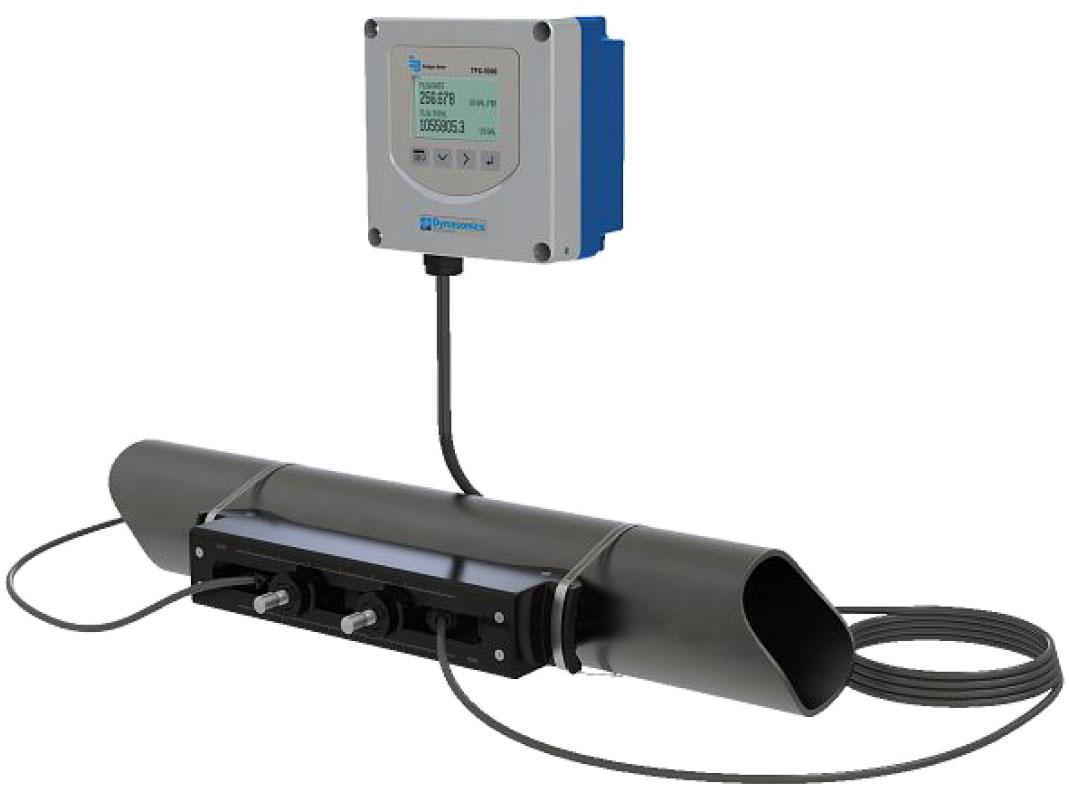
Dynasonics TFX-5000 Series
Non-invasive transit-time metering for clean and slightly di
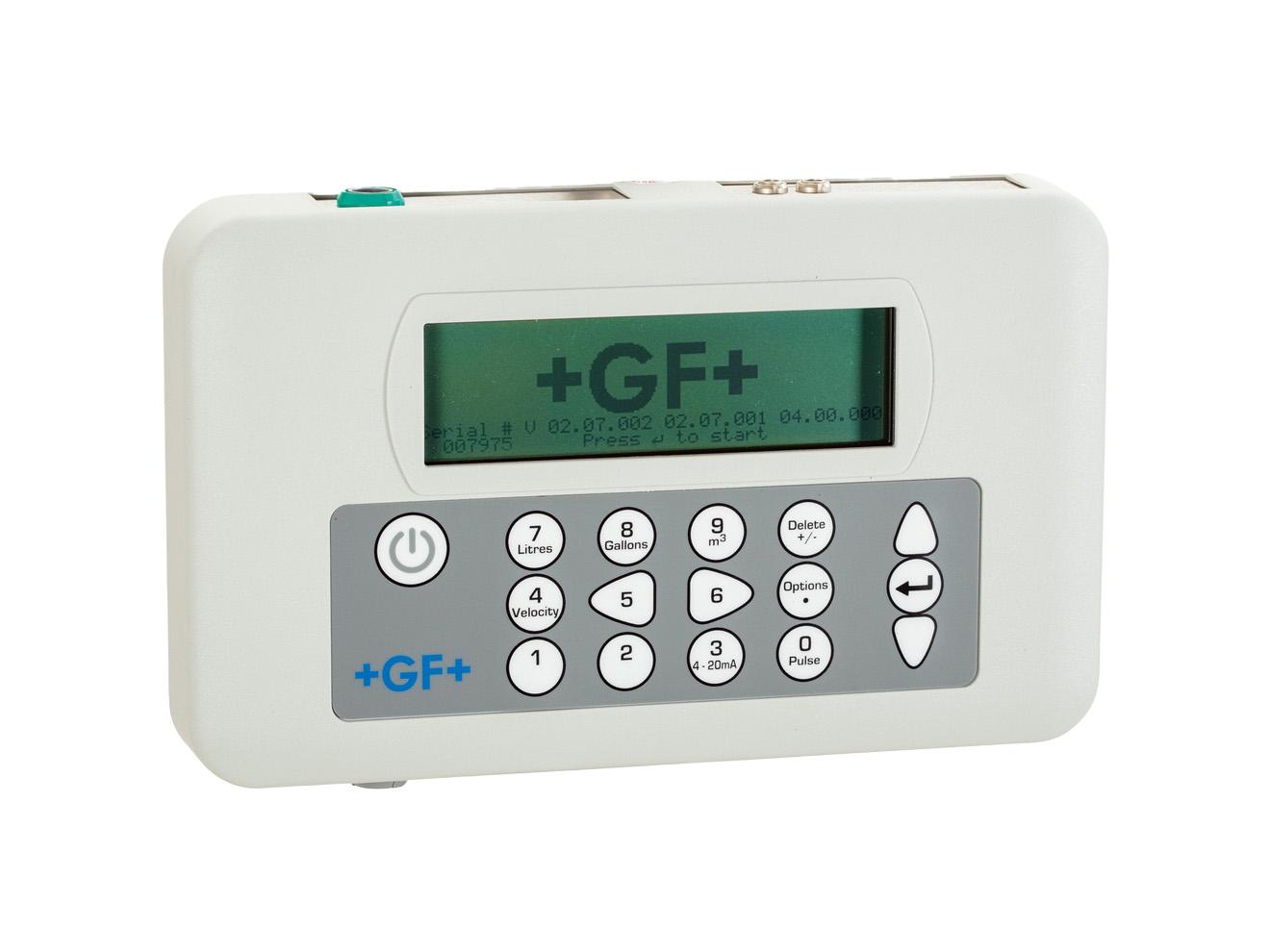
Georg Fischer / GF Signet Portaflow 220 / 330
Portable Ultrasonic Flowmeter, 0.1-20m/s
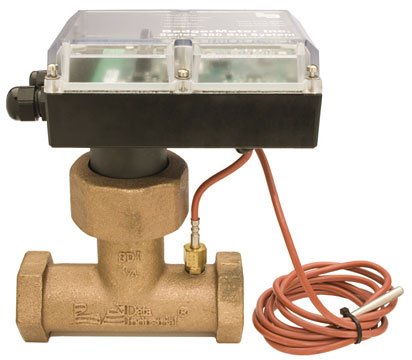
Badger Meter 380DS Series
Integrates flow and temperature sensors for energy measureme