
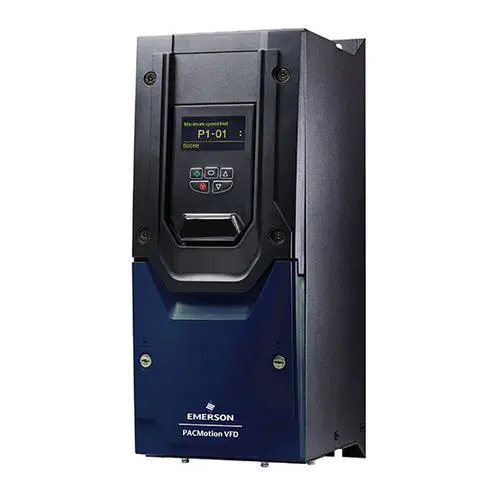
Product Specifications
- Brand
- Emerson Electric Co.
- Part Number
- IC866 series
- Type
- Variable Frequency Drive for Food and Beverage
- Enclosure Options
- IP55 (NEMA 12K), IP66 (NEMA 4X)
- Key Features
- Built-In PID, STO, PROFINET RT, Keypad
- Power Range
- 0.75–250 kW (1–400 HP)
- Voltage Classes
- 200–240 V, 380–480 V, 500–600 V
- Control Methods
- Sensorless Vector, V/Hz
Product Description
In food and beverage manufacturing, the electrical cabinet is a problem. It collects flour dust in a bakery, traps moisture in a dairy, obstructs cleaning in a meat processing plant, and requires its own hygiene procedure separate from the process equipment it controls. The IC866 family's IP55 and IP66 enclosure options eliminate the cabinet entirely — the drive mounts directly on the machine frame or on a nearby washdown-rated stanchion, sealed against dust ingress and water jets. For a food plant engineer, this means the motor controller lives in the same hygiene zone as the motor it powers, cleaned with the same foam-and-rinse procedure, and inspected at the same time.
Process PID control at the drive level
Many food processing operations are continuous processes disguised as discrete machines: a dough mixer that must maintain constant torque as viscosity builds, a sauce kettle that varies agitator speed with temperature, a bottle filler backpressure pump that tracks line speed. The traditional automation approach wires a transducer to a PLC analog input, runs a PID instruction in the PLC program, and sends a speed reference to the drive over a fieldbus — three devices, three potential points of failure, and a PID loop whose execution jitter depends on PLC scan time. The IC866's built-in PID controller runs directly on the drive's processor: a 4–20 mA pressure transducer or flow meter wired to the drive's analog input closes a control loop that regulates motor speed without involving the PLC at all. The PLC monitors speed and process variable over PROFINET for SCADA trending but is not in the control loop — the mixer maintains torque, the pump maintains pressure, and the filler maintains backpressure autonomously. If the PLC faults, the drive continues regulating. For OEMs building skid-mounted food processing modules (CIP systems, pasteurizers, homogenizers), drive-level PID means the module can be commissioned and tested as a stand-alone unit before integration with the plant control system.
Safe Torque Off and hygienic access
Cleaning a food machine requires operators to enter guarded areas where motors could start. The conventional safety approach interrupts motor power with a contactor in the cabinet — a solution that adds cost, consumes panel space, and introduces a wear item (the contactor) into every safety circuit. The IC866's integrated Safe Torque Off (STO) function removes torque from the motor output without disconnecting drive input power and without a contactor. When the machine's safety system asserts STO, the drive's IGBT output stage is electronically disabled while the control electronics, PROFINET communication, and keypad remain powered and operational. The drive reports its safety state over the network, and the operator can see at a glance which drives are in STO. When the safety circuit clears, torque is restored in milliseconds — no contactor to close, no DC bus pre-charge delay, no communication re-establishment. For a production line that cycles between production and cleaning multiple times per shift, this fast and contactor-free STO cycle reduces cleaning downtime and eliminates a recurring maintenance item from the safety system.
Related Products
Resources & Documentation
PACMotion VFD for Food and Beverage, IP55/IP66 Washdown, Built-In PID | Emerson IC866
Product Specifications
- Brand
- Emerson Electric Co.
- Part Number
- IC866 series
- Type
- Variable Frequency Drive for Food and Beverage
- Enclosure Options
- IP55 (NEMA 12K), IP66 (NEMA 4X)
- Key Features
- Built-In PID, STO, PROFINET RT, Keypad
- Power Range
- 0.75–250 kW (1–400 HP)
- Voltage Classes
- 200–240 V, 380–480 V, 500–600 V
- Control Methods
- Sensorless Vector, V/Hz
Resources & Documentation
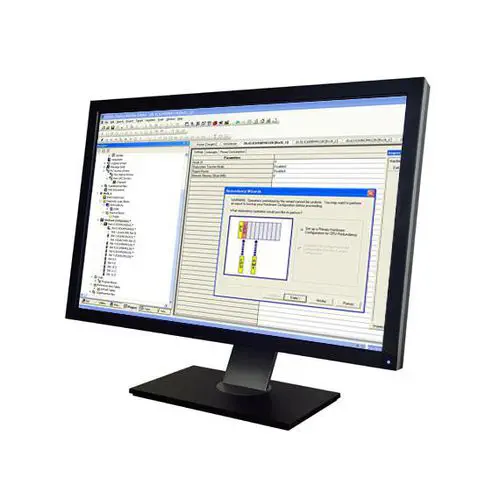
Emerson ME97 series
IEC 61131-3 IDE, Shared Tag Database
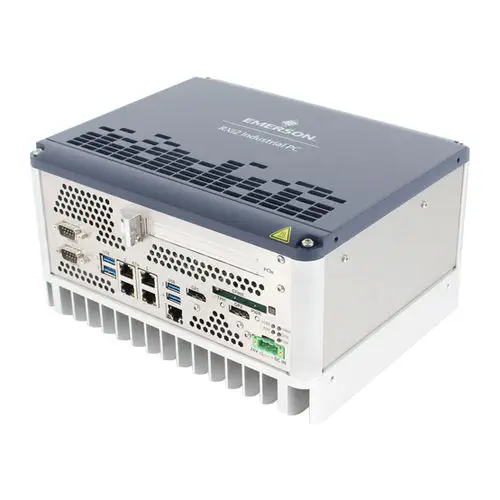
Emerson R2X1N1A0B1T0A
RXi2-XP, i3-6100E, 16GB DDR4, Fanless
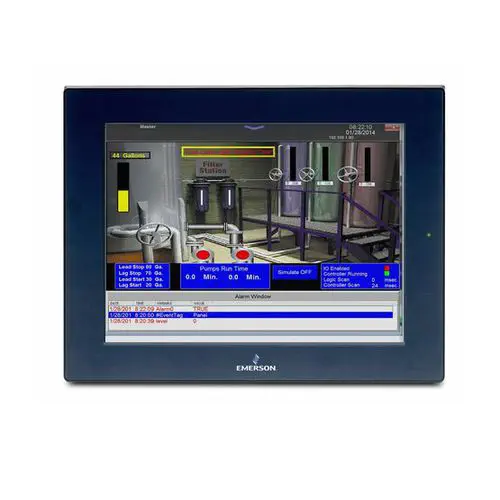
Emerson IC755CBS12CDB
12″ QuickPanel+ with 1GB RAM, built-in PLC, dual Ethernet
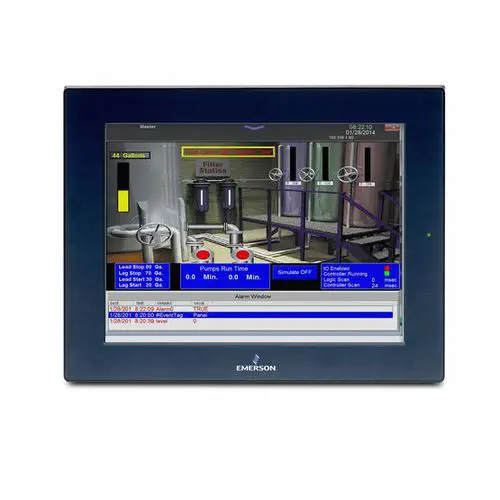
Emerson IC755CKW10CDM
10″ widescreen QuickPanel+ with RSTi Modbus TCP and built-in PLC
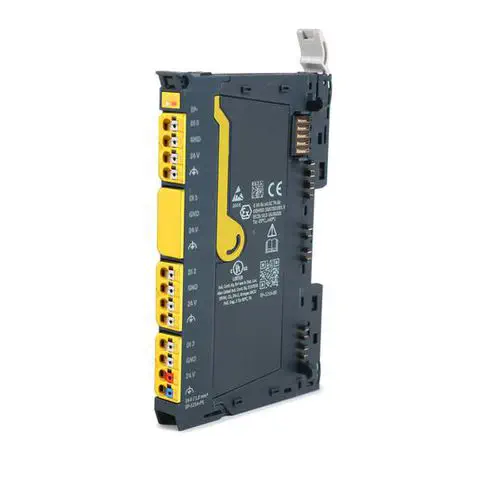
Emerson EP-1901
SIL 3 safety on a standard I/O backplane
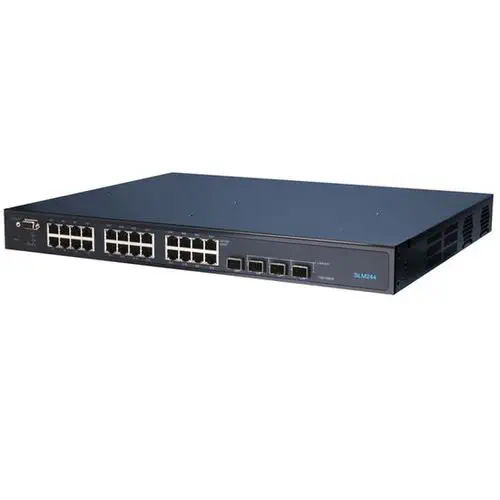
Emerson IC086SLM244LL
L3 Routing, 128 Gbps, Modular 10G Uplink
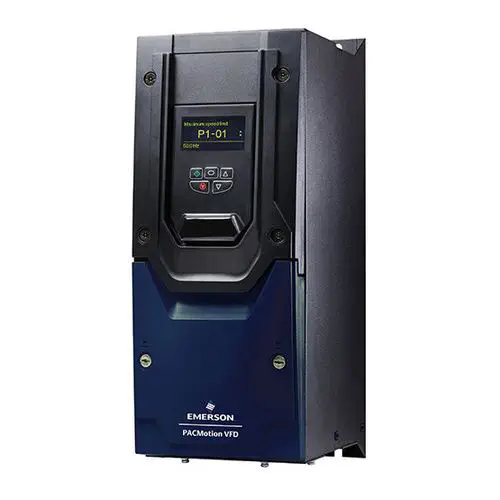
Emerson IC866-0150-603-5P
15 kW, 22 A, 600 V, IP55, PROFINET RT, STO
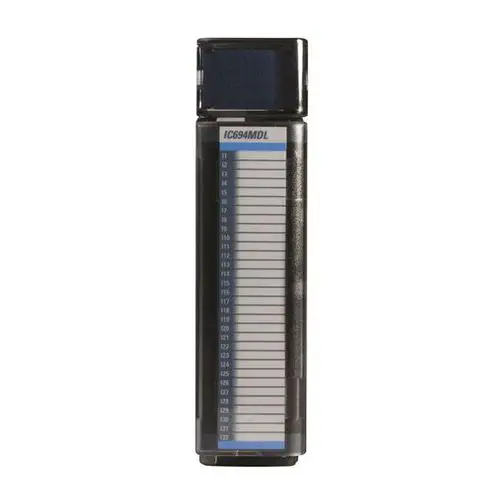
Emerson IC694MDL230
Each point powered independently, 1500 V between them
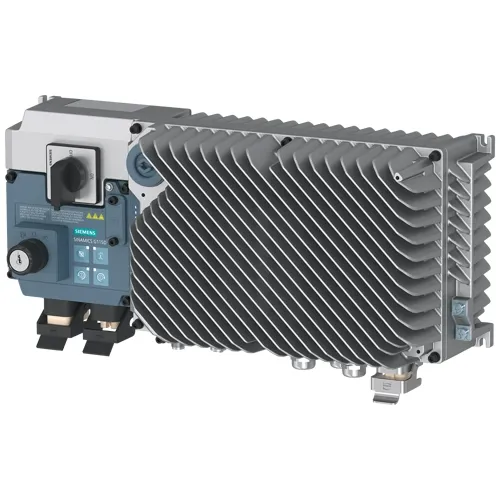
Siemens 6SL3520-0XB04-0AB0
4kW FSB fan-cooled, B-connector standard I/O
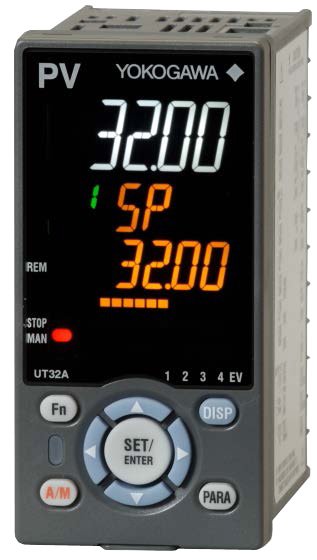
Yokogawa UT32A Basic
1/8 DIN basic controller
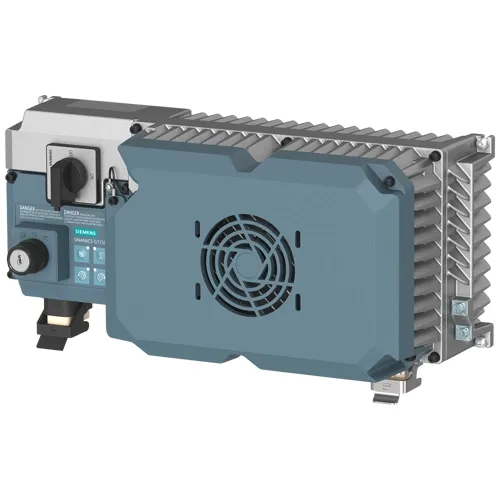
Siemens 6SL3520-0XB05-5AA0
5.5kW entry FSC with basic I/O control
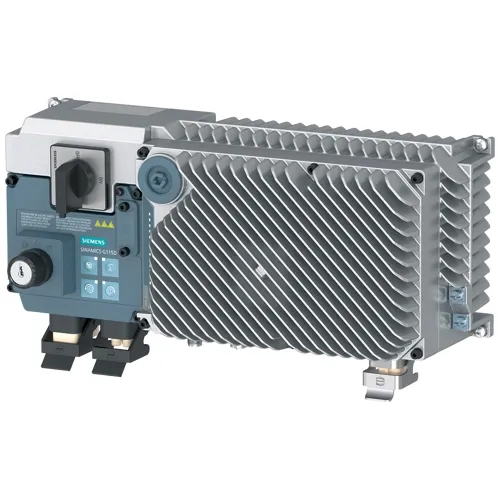
Siemens 6SL3520-0XN01-5AF0
FSA Frame, 1.5 kW, AS-i, IP65
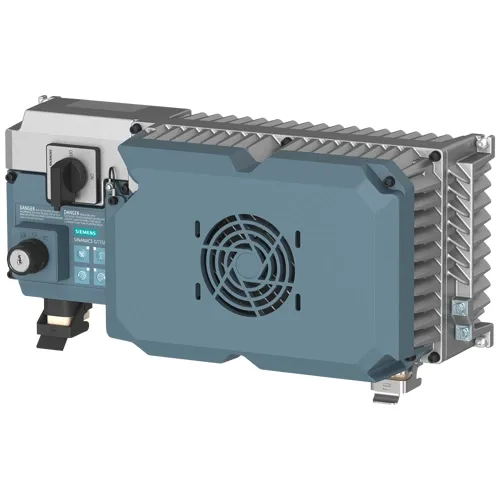
Siemens 6SL3520-0XB05-5AF0
5.5kW entry FSC with PROFINET onboard
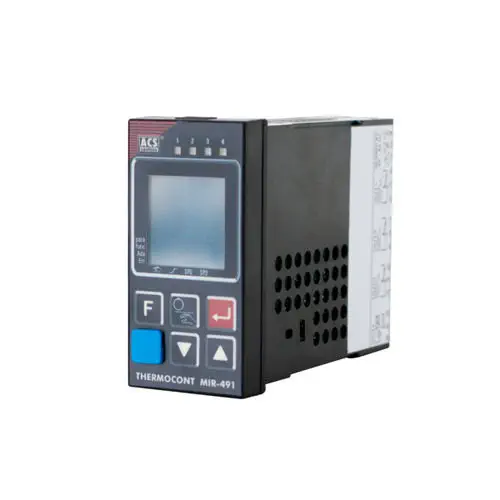
ACS Control-System MIR-491-492
PID, motor step, and cascade control
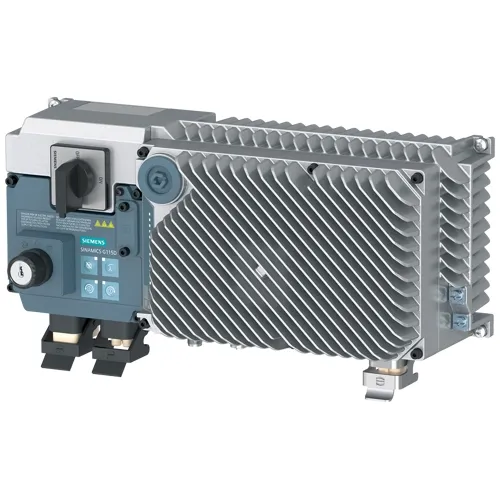
Siemens 6SL3520-0XN00-7AA0
FSA Frame, IP65 Conveyor Drive
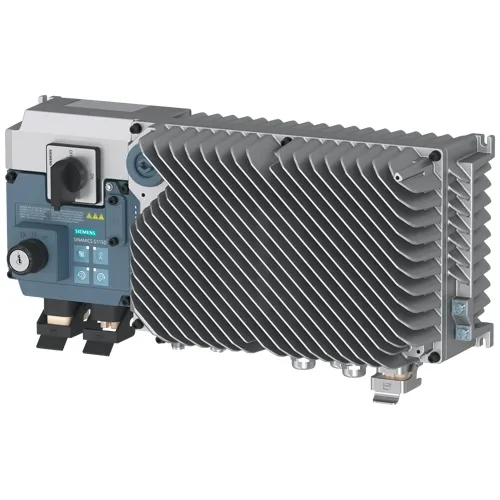
Siemens 6SL3520-1XB02-2AB0
2.2 kW AS-i with a diagnostic window